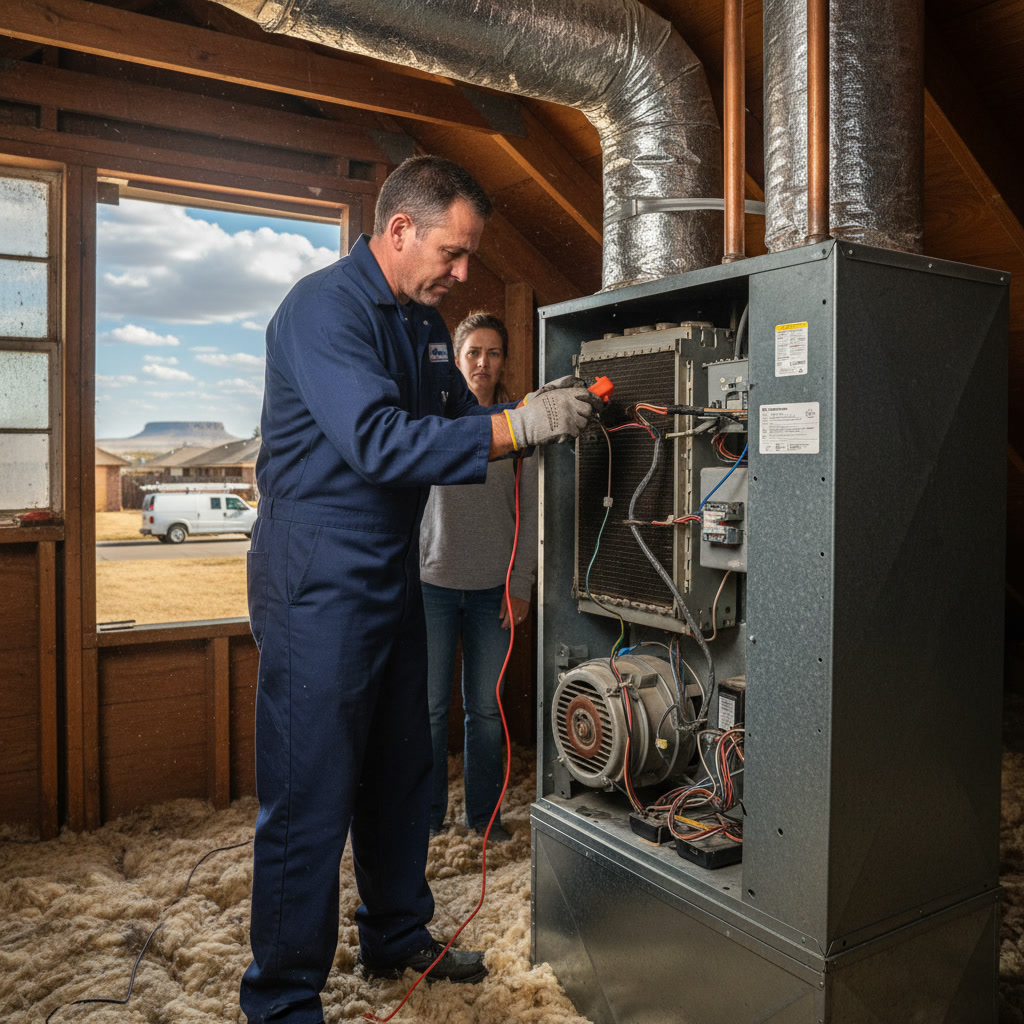
Your air conditioner stopped blowing cold air in the middle of a 95-degree afternoon. Your furnace is making a grinding noise that keeps you awake at night. Your energy bills just doubled for no obvious reason. These problems don’t fix themselves, and when your comfort is on the line, you need to know exactly what to expect from a professional HVAC repair service Lubbock technicians provide.
This guide walks you through what’s included in a typical HVAC repair visit, the most common heating and cooling problems West Texas homeowners face, how technicians diagnose issues, what repairs cost, and the warning signs that tell you it’s time to call for help before a small problem becomes an expensive replacement.
What’s Included in a Professional HVAC Repair Service
When you schedule an HVAC repair service Lubbock homeowners can expect a structured process that goes beyond simply swapping out a broken part. Professional technicians follow a diagnostic approach to identify the root cause, not just the symptoms.
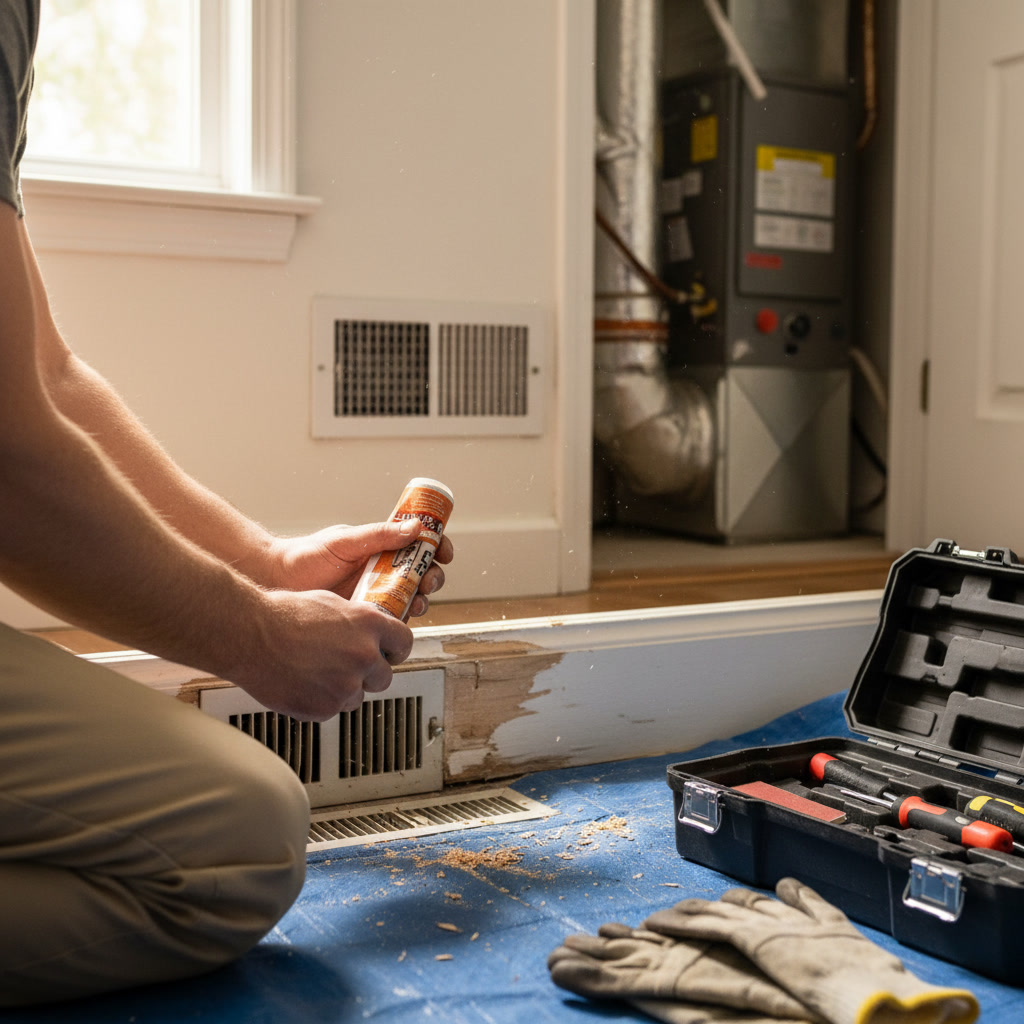
The initial diagnostic typically includes a visual inspection of your entire system, checking the thermostat settings, examining electrical connections, measuring refrigerant levels, testing airflow at registers, and listening for unusual sounds from the indoor and outdoor units. This step alone often reveals multiple issues that contribute to poor performance.
After diagnosis, the technician explains what’s wrong, what caused it, and what repair options you have. Reputable companies provide clear pricing before starting work. The actual repair might involve replacing a failed capacitor, cleaning a clogged condensate drain, fixing refrigerant leaks and recharging the system, replacing a worn blower motor or belt, repairing or replacing a cracked heat exchanger, or calibrating a malfunctioning thermostat.
Once repairs are complete, technicians test the system under normal operating conditions to verify the fix works. Many also check filter condition, adjust airflow if needed, and offer maintenance recommendations to prevent future breakdowns.
Most Common HVAC Repairs in West Texas Homes
The climate in Lubbock and surrounding areas puts unique stress on heating and cooling systems. Summer temperatures regularly top 95 degrees, and winter lows can drop below freezing. This wide temperature swing means your HVAC works harder and longer than systems in milder climates.
Air Conditioning Repairs
Capacitor failure ranks as the most common AC repair. Capacitors help motors start and run efficiently, but extreme heat causes them to fail every three to five years on average. A failed capacitor prevents your compressor or blower fan from running, and replacement typically costs $150 to $400 depending on the unit type.
Refrigerant leaks are another frequent issue. If your system is low on refrigerant, it won’t cool properly and the compressor works harder, shortening its lifespan. Technicians locate leaks using electronic detectors or UV dye, repair the leak, then recharge the system to manufacturer specifications. Expect $300 to $1,200 depending on leak location and refrigerant type.
Blower motor problems show up as weak airflow, strange noises, or the system running but not moving air. Motors wear out from continuous use, especially in systems that run eight to ten months per year in Texas. Replacement costs range from $400 to $800 for most residential systems.
Heating System Repairs
Ignition and pilot control problems are common in gas furnaces. A malfunctioning igniter prevents your furnace from lighting, leaving you without heat on cold nights. Igniter replacement typically runs $150 to $350. If you’re experiencing repeated furnace issues and your system is over 15 years old, you may want to review when replacement makes more sense than continued repairs.
Thermostat issues affect both heating and cooling. A thermostat that reads temperature incorrectly, loses its programming, or fails to communicate with your system can cause short cycling, constant running, or no operation at all. Simple recalibration sometimes fixes the problem, but replacement costs $100 to $500 depending on whether you choose a basic model or a programmable smart thermostat.
Limit switch failures are safety devices that prevent furnaces from overheating. When they malfunction, your furnace may run the blower continuously or shut down unexpectedly. Replacement is straightforward and usually costs $150 to $300.
How Technicians Diagnose HVAC Problems
Proper diagnosis separates skilled technicians from parts-changers who guess at solutions. The process starts before the technician arrives when you describe symptoms over the phone. Details matter: when did the problem start, does it happen constantly or intermittently, have you noticed unusual sounds or smells, and when was the last time the system worked normally.
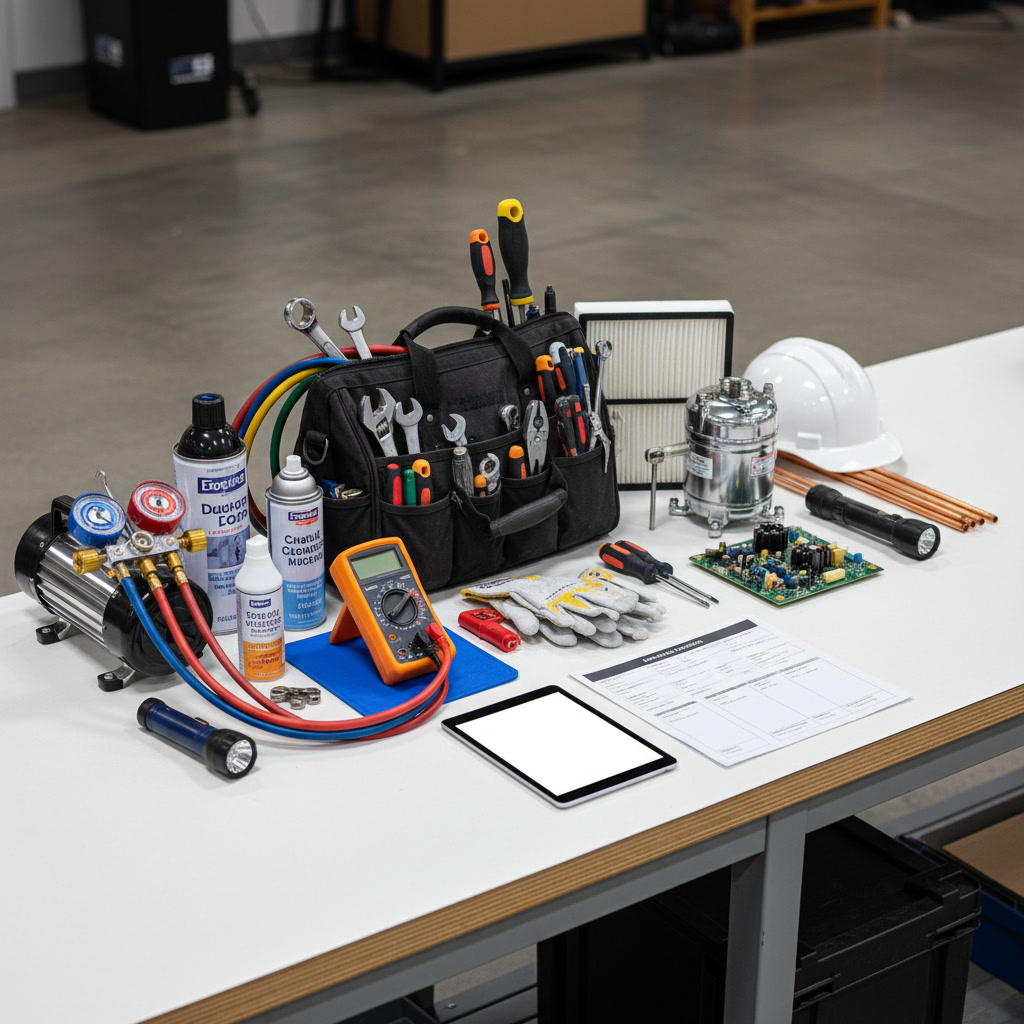
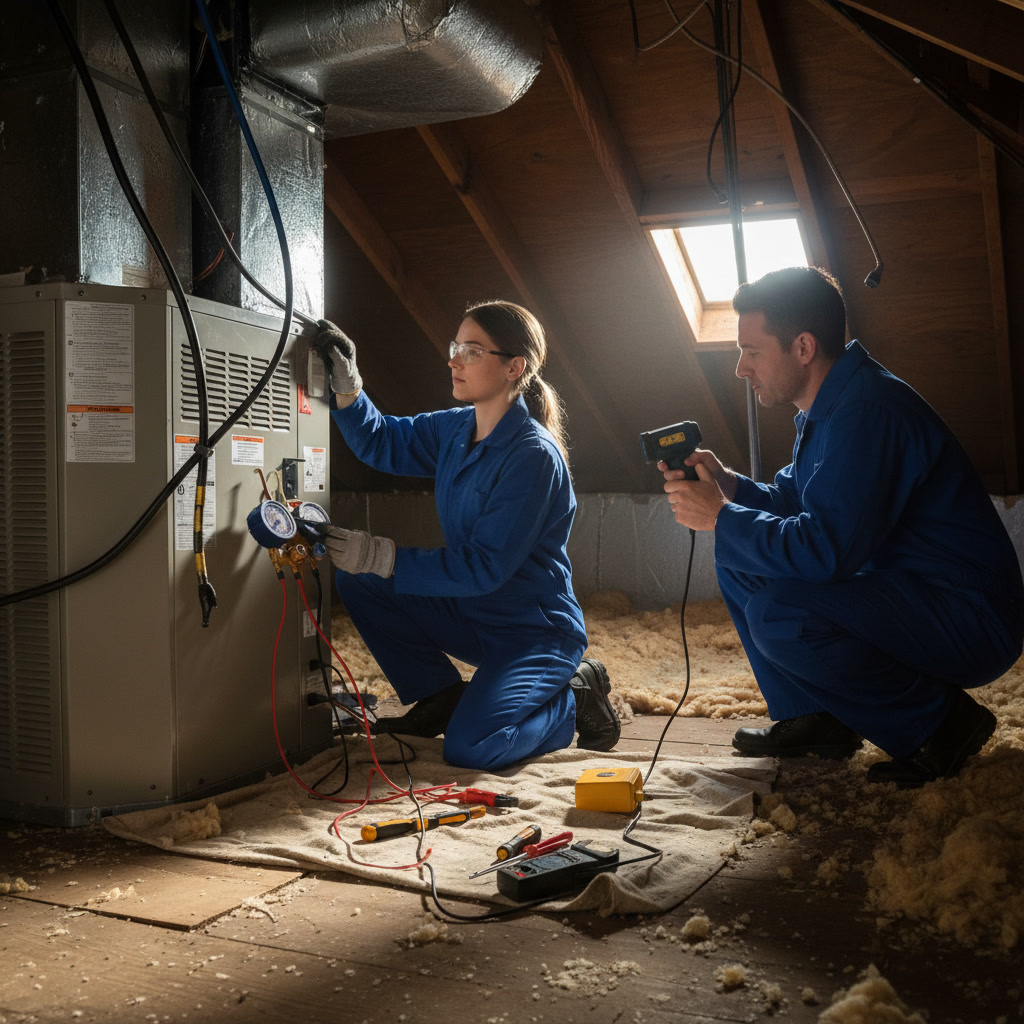
On-site diagnosis uses multiple tools. Multimeters test electrical components for proper voltage and continuity. Manifold gauges measure refrigerant pressures on both the high and low sides of the system. Temperature probes check supply and return air temperatures to calculate temperature split. Amp meters measure current draw to identify motors working too hard or capacitors that have weakened.
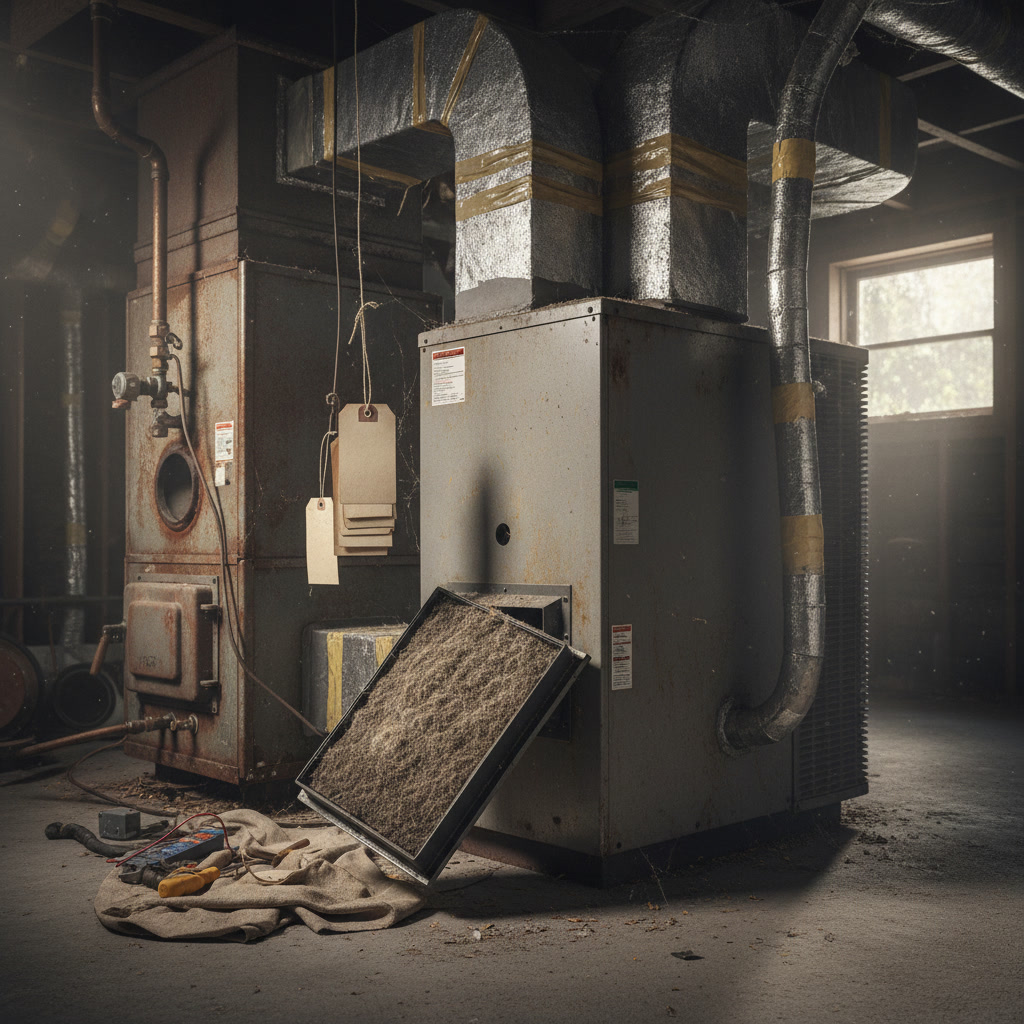
Visual inspection catches issues that instruments miss. Technicians look for rust, corrosion, loose wiring, damaged insulation, dirty coils, clogged filters, blocked condensate drains, and worn belts. They check ductwork for disconnections or damage that causes air loss.
Experienced technicians also listen and smell. A grinding noise points to bearing failure. A clicking sound might indicate a failing relay. The smell of burning dust is normal when you first turn on heat, but burning plastic or metal odors signal serious electrical problems.
Understanding HVAC Repair Costs
Repair costs vary based on the problem, parts required, system age, and whether the issue is found during normal business hours or requires emergency service. Most HVAC repair service Lubbock companies charge a diagnostic fee between $75 and $150, which may be waived if you proceed with recommended repairs.
Simple repairs like thermostat replacement, filter changes, or drain line cleaning typically cost $100 to $300. Mid-range repairs including capacitor replacement, contactor replacement, or blower motor repair run $200 to $600. Major repairs such as compressor replacement, heat exchanger replacement, or refrigerant leak repair and recharge can cost $800 to $2,500 or more.
For homes in Wolfforth, Shallowater, or Slaton, travel charges are typically minimal since these communities sit close to Lubbock. More distant service areas may include a modest trip charge.
Age matters when evaluating repair costs. If your system is less than seven years old and the repair costs less than half the price of replacement, repair makes sense. If your system is over 12 years old and needs a repair that costs more than $1,000, comparing that expense to new system installation costs helps you make a smart financial decision.
Pro Tip: If your repair estimate exceeds 50% of what a new system costs and your current unit is over ten years old, get quotes for replacement before committing to the repair. New systems come with warranties and improved efficiency that can offset the higher upfront cost through lower monthly utility bills.
Warning Signs You Need HVAC Repair Now
Some HVAC problems announce themselves loudly. Others develop gradually until they cause complete system failure. Knowing the warning signs helps you call for repairs before you lose heating or cooling entirely.
Immediate Red Flags
Complete system failure is obvious, but call immediately if you smell gas near your furnace, see smoke or flames from any HVAC component, notice water pooling around your indoor unit or furnace, hear loud banging or grinding that wasn’t there yesterday, or detect electrical burning smells from vents or equipment.
These situations create safety risks or can cause extensive water damage. Turn the system off at the thermostat and the circuit breaker, then call for emergency service.
Performance Problems That Need Attention
Uneven temperatures between rooms suggest ductwork problems, a failing blower, or an undersized system. Short cycling, where the system turns on and off every few minutes, wastes energy and stresses components. Weak airflow from registers might indicate a clogged filter, failing blower motor, or ductwork disconnection.
Rising energy bills without increased usage often mean your system is losing efficiency due to dirty coils, refrigerant leaks, or components working harder to compensate for failures elsewhere. Tracking your monthly energy costs helps you catch this early.
Strange sounds deserve investigation. Squealing usually means belt problems or bearing wear. Rattling can indicate loose parts or debris in the system. Hissing might be a refrigerant leak or ductwork air leak. Clicking when the system isn’t starting points to electrical relay problems.
Age and Maintenance History
Systems over ten years old with no regular maintenance history have higher failure rates. If you can’t remember the last time a technician serviced your system, or if you’ve owned your home less than two years and don’t know the HVAC maintenance history, scheduling a preventive tune-up often catches small problems before they require expensive repairs.
Repair vs Replace Decision
The toughest decision homeowners face is whether to repair an aging system or replace it entirely. Several factors guide this choice beyond just the repair estimate.
The 50% rule provides a starting point. Multiply the repair cost by the system age in years. If that number exceeds the cost of a new system, replacement typically makes better financial sense. For example, a $600 repair on a 12-year-old system equals $7,200, which exceeds most replacement costs.
Efficiency improvements matter more in Texas than in milder climates. A system installed in 2008 likely has a SEER rating of 13 or lower. New systems start at SEER 14 and go up to SEER 20 or higher. In a climate where air conditioning runs April through October, the energy savings can pay for the new system over its lifespan.
Repair frequency is another indicator. If you’ve needed repairs in each of the past three years, and the problems keep coming back, your system is telling you it’s reached the end of its useful life. Continuing to repair it often costs more than replacing it would have.
R-22 refrigerant phase-out affects older systems. If your air conditioner uses R-22 (also called Freon) and has a refrigerant leak, repair costs have skyrocketed because R-22 is no longer manufactured in the United States. A refrigerant recharge that cost $200 five years ago might cost $1,500 today, making replacement the smarter choice.
Preventing Future HVAC Repairs
Regular maintenance is the single most effective way to reduce repair frequency and extend system life. Annual tune-ups catch small issues before they become expensive failures, keep efficiency high, and ensure safety.
Basic homeowner maintenance includes changing filters every 30 to 90 days depending on filter type and household conditions, keeping outdoor units clear of grass clippings and debris, ensuring vents and registers aren’t blocked by furniture, and checking condensate drain lines quarterly to prevent clogs.
Professional maintenance goes deeper. Technicians clean coils, check refrigerant levels, test capacitors and contactors before they fail, lubricate motors, tighten electrical connections, calibrate thermostats, and inspect heat exchangers for cracks that could leak carbon monoxide.
Energy efficiency improvements also reduce system stress. Adding insulation to attics and walls helps your HVAC maintain temperature with less runtime. Sealing ductwork prevents conditioned air from escaping into unconditioned spaces. Upgrading to a programmable thermostat reduces unnecessary operation when you’re away. These improvements often qualify for utility rebates or tax credits, and combining them with spray foam insulation can dramatically reduce monthly energy costs.
Key Takeaway: Spending $150 to $200 on annual maintenance typically prevents $500 to $1,500 in avoidable repairs each year. Systems with regular professional maintenance last three to five years longer than neglected units.
Frequently Asked Questions
How long does a typical HVAC repair take?
Simple repairs like capacitor or thermostat replacement usually take 30 minutes to one hour once the technician diagnoses the problem. More complex repairs such as blower motor replacement, refrigerant leak repair, or heat exchanger work can take two to four hours. Emergency repairs or situations requiring special-order parts may require a return visit once parts arrive.
Can I repair my HVAC system myself to save money?
Homeowners can handle basic tasks like filter changes, thermostat battery replacement, and keeping outdoor units clear of debris. However, most HVAC repairs require specialized tools, technical knowledge, and EPA certification for refrigerant work. Attempting repairs yourself risks injury, property damage, voiding warranties, and creating more expensive problems if done incorrectly. Professional repairs also come with warranties on parts and labor that DIY work doesn’t provide.
Do HVAC repairs come with warranties?
Reputable HVAC companies warranty their labor for 30 days to one year, and parts typically carry manufacturer warranties ranging from 90 days to five years depending on the component. Always ask about warranty coverage before authorizing repairs, and get the terms in writing. Keep service records in case you need warranty service later.
How do I know if I’m being overcharged for HVAC repairs?
Get multiple estimates for major repairs, ask for a detailed breakdown of parts and labor costs, and verify the technician actually diagnosed the problem rather than guessing. Research typical costs for the specific repair in your area. Be wary of prices significantly lower than competitors, which often indicate inexperienced technicians or poor-quality parts. Transparency in pricing and willingness to explain the problem and repair process are good signs you’re working with an honest company.
What should I do if my HVAC system breaks down in extreme weather?
Call for emergency service immediately, but understand that response times may be longer during heat waves or cold snaps when companies are handling high call volumes. If you have elderly family members or health conditions affected by temperature extremes, mention this when scheduling. While waiting, close curtains to block summer sun or retain winter heat, use fans to circulate air, and move to the coolest or warmest room in your home. For heating failures below freezing, prevent pipe freezing by opening cabinet doors under sinks and letting faucets drip slightly.
Get Expert HVAC Repair Service in Lubbock
Understanding what an HVAC repair service Lubbock technicians provide helps you make informed decisions when your system stops working properly. From initial diagnosis through final testing, professional repairs follow a structured process designed to fix the root problem, not just the symptoms.
Whether you’re dealing with a broken air conditioner in the middle of summer, a furnace that won’t start on a cold night, or just want to address performance issues before they become emergencies, Spectrum Heating & Air LLC provides honest, reliable service throughout Lubbock and West Texas. Our team handles everything from simple repairs to complex diagnostics, and we’ll always explain your options clearly before starting work.
If you’re experiencing HVAC problems or just want a second opinion on a repair estimate you’ve received, call +18062412335 or visit our contact page to schedule service. We serve Lubbock and the surrounding communities with the expertise and transparency you deserve.