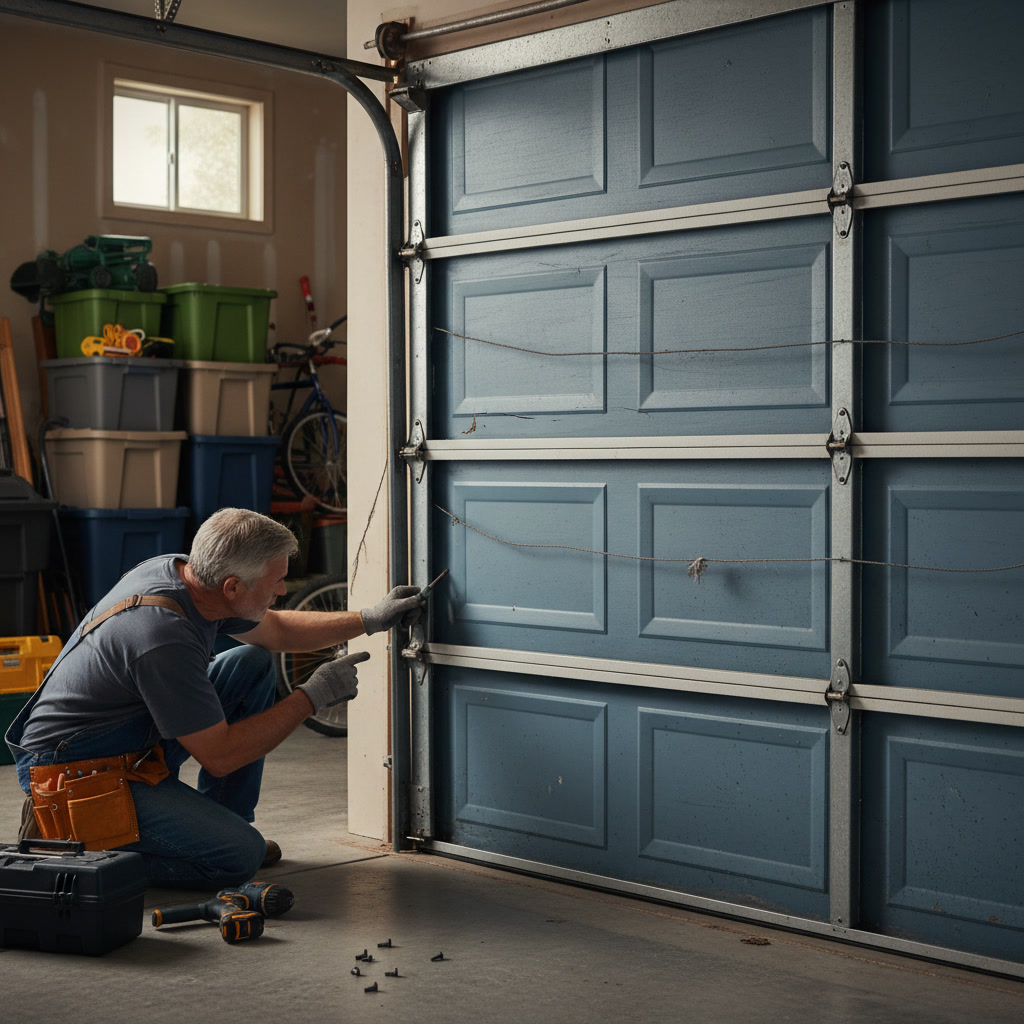
Your garage door shows clear warning signs before it fails completely. Recognizing unusual noises, slow operation, visible damage, and balance issues can help you schedule garage door handyman repair early and avoid costly emergencies or safety hazards. Most garage doors cycle between 1,000 and 1,500 times per year, and wear accumulates faster than many homeowners realize.
Why Garage Doors Fail More Often Than You Think
Garage doors are the largest moving component in most homes, and they operate under constant tension from springs that can exert 200 pounds of force or more. West Texas weather accelerates wear on metal components, rubber seals, and moving parts. Temperature swings between freezing winter mornings and scorching summer afternoons cause expansion and contraction that loosens fasteners and wears out rollers.
Many garage doors operate daily for years with minimal maintenance, but every cycle adds stress to springs, cables, tracks, and opener mechanisms. Small issues like loose hardware or minor track misalignment often go unnoticed until they cascade into major failures.
Understanding the Lifespan of Garage Door Components
Different parts of your garage door system wear out at different rates. Standard torsion springs typically last seven to nine years or about 10,000 cycles, while rollers may need replacement every five to seven years. Garage door openers have an average lifespan of 10 to 15 years, but chain drives and belt drives experience varying wear patterns.
Weather stripping and bottom seals degrade faster in dry, sunny climates and often need replacement every three to five years. Cables rarely fail without warning, but fraying usually begins years before a break occurs. Knowing these timelines helps you anticipate when components may start showing symptoms.
Strange Noises That Signal Mechanical Problems
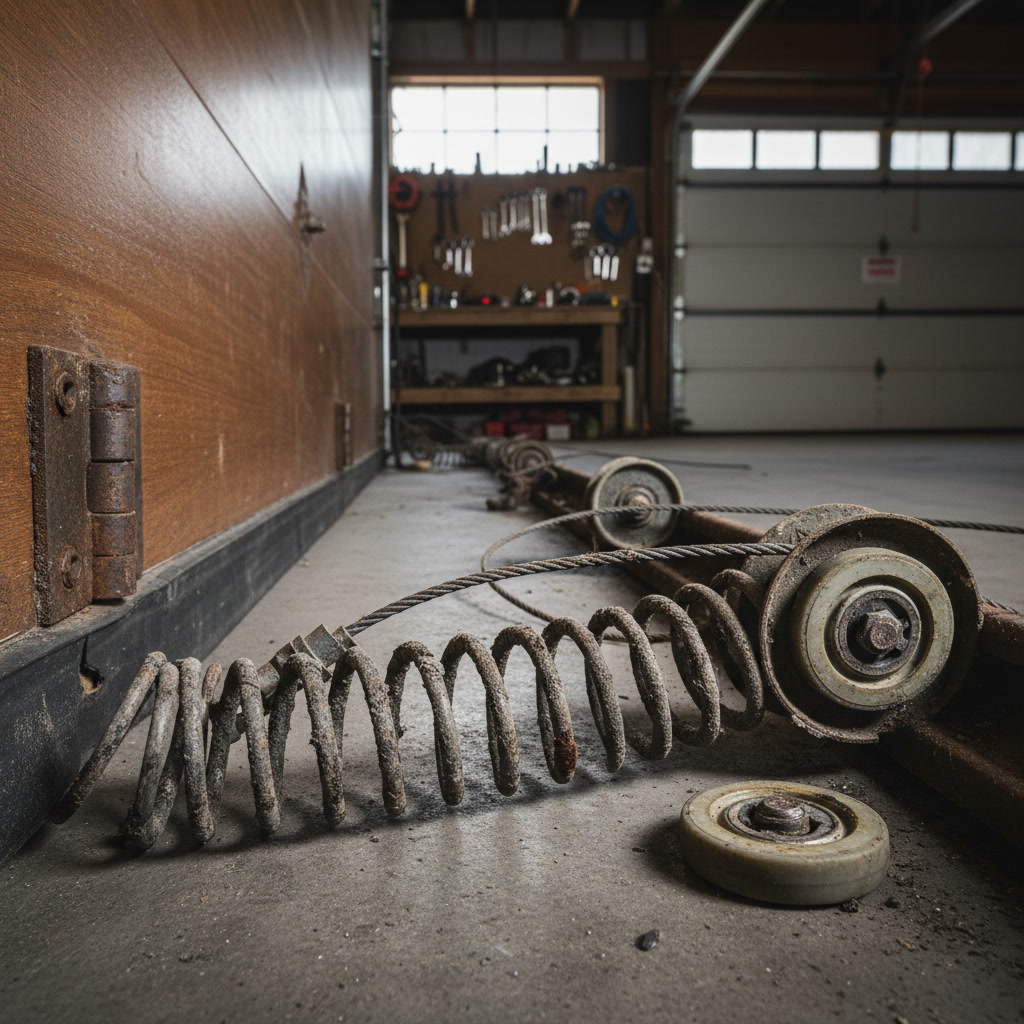
Your garage door should operate smoothly with minimal sound. Grinding, scraping, or squealing noises indicate worn rollers, lack of lubrication, or misaligned tracks. A loud bang when the door closes suggests broken or weakening springs, while popping sounds often point to loose hardware or cracked panels.
Rattling during operation typically means fasteners have loosened over time, allowing panels to vibrate against each other. Clicking sounds from the opener unit may indicate gear wear inside the motor housing. Any new or worsening noise warrants immediate inspection, as mechanical failures often escalate quickly once they begin.
Visible Damage and Wear on Panels and Hardware
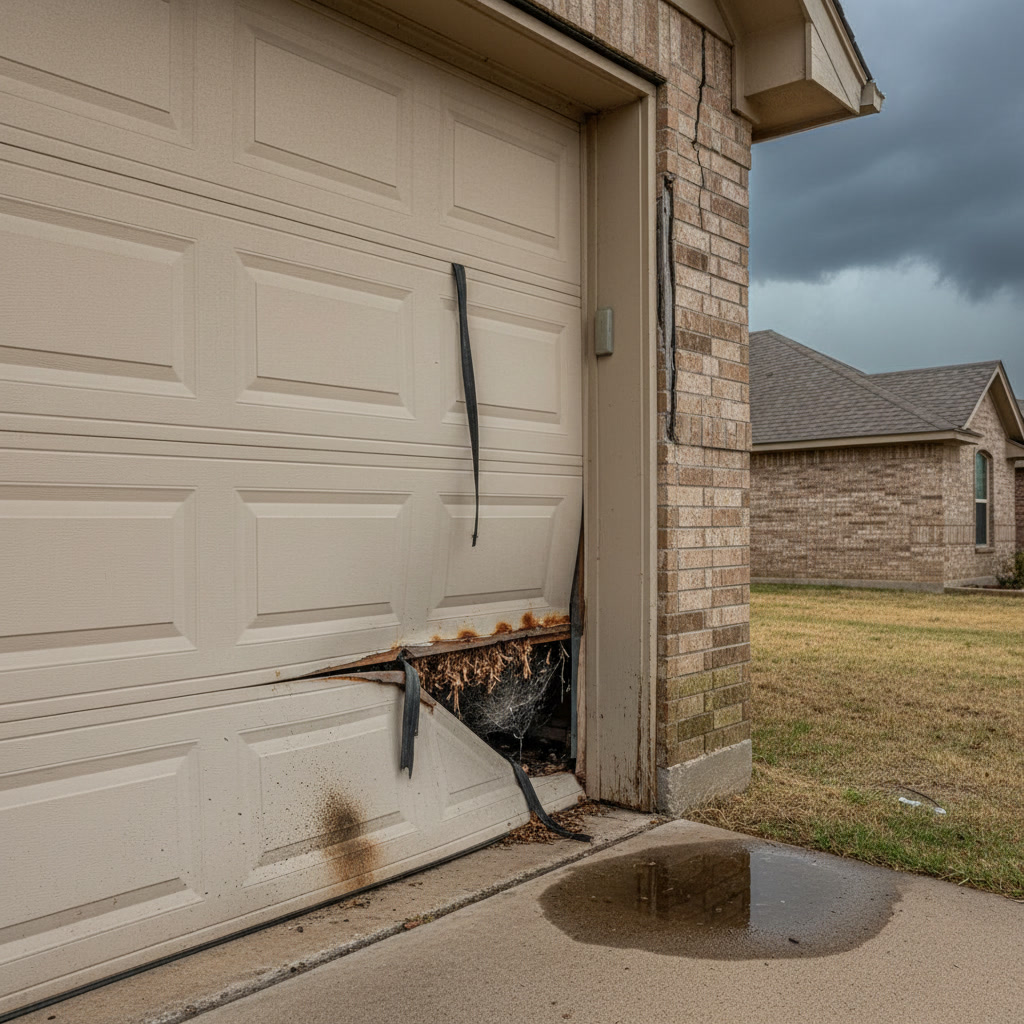
Walk around your garage door and inspect it closely. Dents, cracks, or rust spots on panels compromise structural integrity and can spread. Warped panels prevent proper sealing and place uneven stress on the opener and track system. Rust on springs, cables, or hinges weakens metal and reduces load capacity.
Frayed cables show individual wire strands separating and signal imminent failure. Worn or cracked rollers cause jerky movement and accelerate track damage. Loose or missing fasteners allow components to shift out of alignment. If you notice any of these issues, professional intervention prevents sudden failure that could damage your vehicle or injure someone.
Slow or Uneven Door Movement
A healthy garage door opens and closes at a consistent speed, typically completing the full cycle in 12 to 15 seconds. If your door hesitates, jerks, or moves unevenly, the springs may have lost tension or the tracks could be misaligned. One side rising faster than the other indicates unbalanced spring tension or a problem with the cable system on one side.
Openers that strain audibly to lift the door suggest the door has become too heavy for the motor, often because springs no longer carry their share of the load. This overworks the opener and shortens its lifespan. Addressing balance and spring issues early protects your opener investment and prevents dangerous sudden drops.
The Door Reverses or Stops Midway
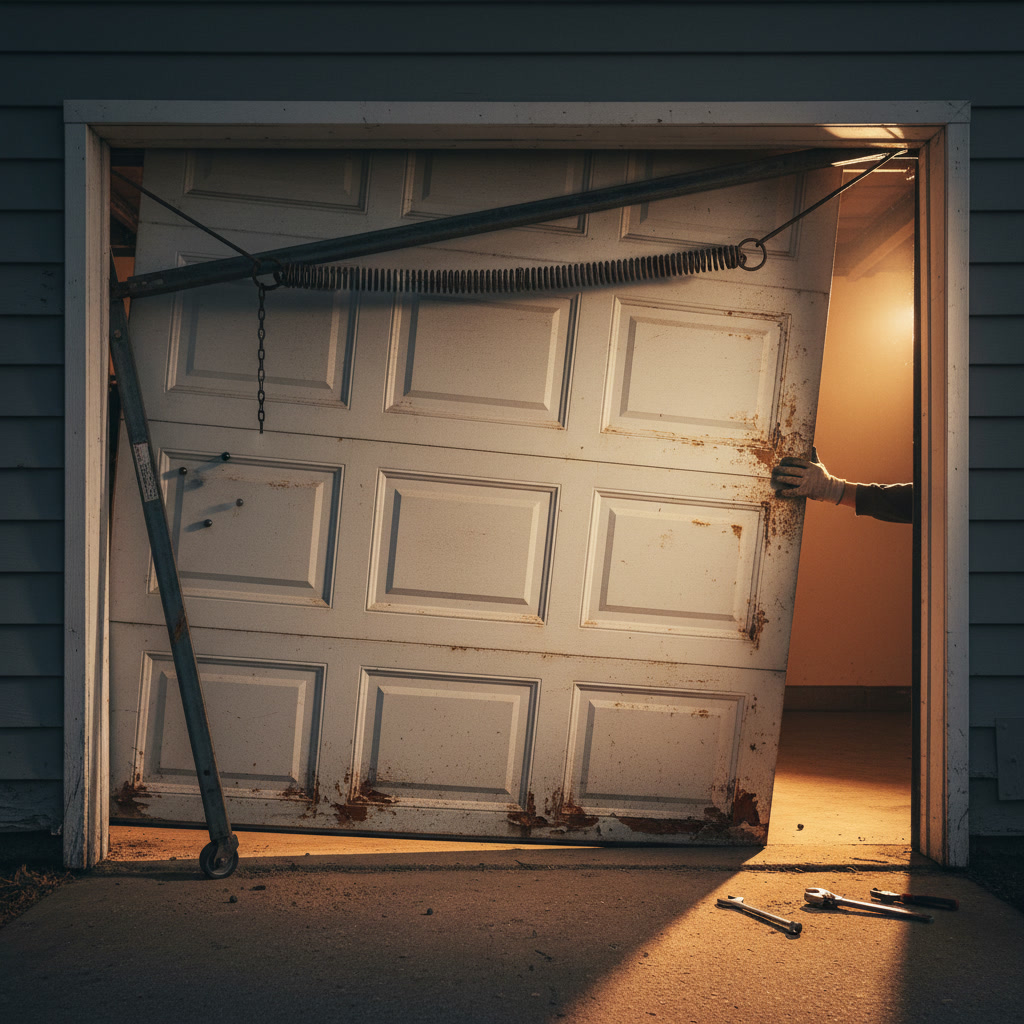
Modern garage door openers include safety sensors that reverse the door if an obstruction is detected. If your door reverses without visible obstruction, the sensors may be misaligned, dirty, or faulty. However, if the door stops partway through its cycle, the problem often lies with the opener’s force settings, worn gears, or a mechanical issue in the track system.
Dirt buildup on tracks or rollers can create enough resistance to trigger the opener’s safety mechanism. Springs that have lost significant tension may prevent the door from completing its cycle. These symptoms require diagnosis to separate sensor issues from mechanical problems.
Balance Test Reveals Hidden Spring Problems
You can perform a simple balance test that reveals spring condition. Disconnect the opener by pulling the release handle, then manually lift the door halfway and let go. A properly balanced door should stay in place or move only slightly. If it falls rapidly, the springs have weakened and no longer counterbalance the door’s weight.
A door that shoots upward indicates over-tensioned springs, which is less common but equally dangerous. Never attempt to adjust or replace torsion springs yourself. These components store enormous energy and require specialized tools and training to handle safely. This is one area where catching problems early makes a significant difference in repair costs.
Weather Sealing Failures in Wolfforth Homes
West Texas dust and temperature extremes take a toll on garage door seals. If you notice daylight visible along the sides or bottom of your closed door, the weather stripping has failed. Gaps allow dust, insects, and outside air into your garage, reducing energy efficiency and potentially affecting attached living spaces.
Bottom seals that have become brittle or cracked no longer create a barrier against the elements. This becomes especially noticeable during windstorms common in the area. Side and top seals also degrade, allowing heat loss in winter and heat gain in summer. Replacing seals is straightforward for a qualified handyman and dramatically improves comfort and efficiency.
Opener Issues That Mimic Mechanical Problems
Sometimes the garage door itself is mechanically sound, but the opener creates symptoms that seem like door problems. Remote controls that work inconsistently may need new batteries or reprogramming. Wall switches that fail intermittently often have loose wiring connections. Motors that run but fail to move the door usually have stripped gears inside the opener housing.
Older openers lack modern safety features and may not meet current building codes if you’re selling your home. Chain drive openers are noisier than belt drive models, and homeowners sometimes mistake normal chain noise for mechanical problems. An experienced technician can quickly differentiate between opener issues and door mechanical failures, saving you from unnecessary repairs.
Safety Hazards You Cannot Ignore
A failing garage door presents serious safety risks. Doors weighing 150 to 400 pounds can cause severe injury if they fall unexpectedly. Broken springs release stored energy violently and have caused injuries to homeowners attempting DIY repairs. Cables under tension can whip dangerously if they snap.
Openers without modern safety sensors pose risks to children and pets who may not clear the door’s path in time. Doors that close too quickly or fail to reverse when obstructed violate safety standards. If you notice any safety concern, disconnect the opener and keep the door closed until a professional inspects it. Spectrum Heating & Air LLC handles these repairs with the proper tools and safety protocols.
Protect Your Home with Timely Professional Service
Addressing garage door problems early prevents inconvenient breakdowns and extends the life of expensive components. Regular maintenance catches wear before it becomes failure, and small repairs cost far less than emergency service or complete door replacement. A qualified handyman brings the right tools, parts knowledge, and experience to diagnose problems accurately and fix them correctly the first time.
Many homeowners in Wolfforth, Shallowater, and surrounding areas discover that their garage door issues connect to other home maintenance needs. The same visit that addresses your garage door can tackle weather sealing, minor repairs, or energy efficiency improvements throughout your property. Combining services saves time and ensures your entire home receives the attention it needs.
Spectrum Heating & Air LLC serves West Texas homeowners with dependable handyman services that keep homes comfortable and safe. If you’ve noticed any of the warning signs described above or simply want a professional assessment of your garage door’s condition, reach out for an inspection. Call +18062412335 to schedule service in Lubbock and the surrounding communities.