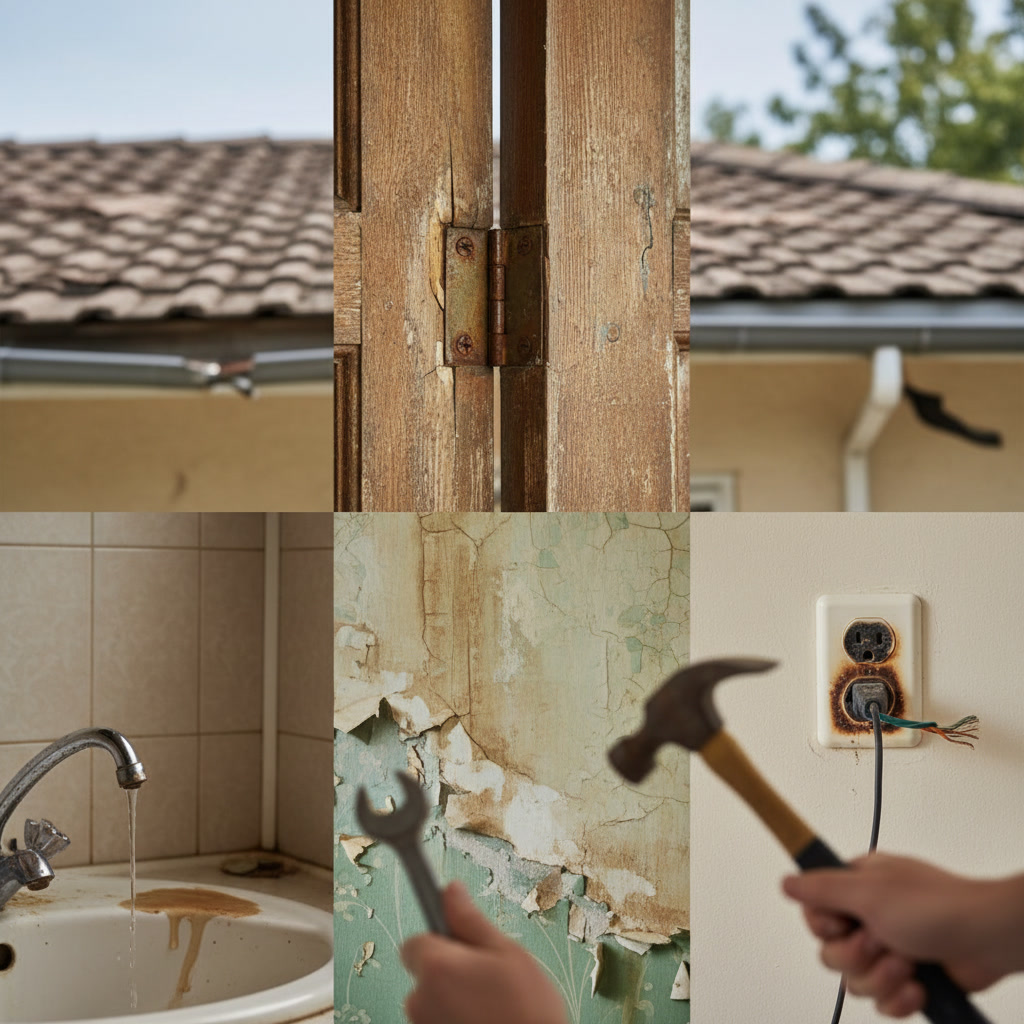
Small household problems rarely fix themselves. If you notice dripping faucets, sticky doors, or water stains on ceilings, your home needs handyman repairs sooner rather than later. Ignoring these warning signs allows minor inconveniences to spiral into structural damage, mold growth, or system failures that demand costly emergency repairs. Addressing problems early protects your investment and keeps repair bills manageable.
Why Minor Problems Escalate Quickly in West Texas Homes
West Texas weather puts unique stress on homes. Temperature swings from scorching summer days to freezing winter nights cause building materials to expand and contract. This constant movement opens up small cracks, loosens fasteners, and weakens seals around windows and doors. A hairline crack in exterior caulking becomes a water intrusion point during rare but intense rainstorms. What starts as a cosmetic flaw becomes a route for moisture that rots wood framing and ruins insulation.
Dust and wind compound the problem. Fine particles work their way into moving parts, wearing down hinges, door closers, and weatherstripping faster than in more humid climates. Components that might last 15 years elsewhere fail in 8 to 10 years here. Regular inspection catches these issues while repairs remain simple and affordable.
Water Stains and Ceiling Discoloration Signal Hidden Damage
Yellow or brown rings on ceilings and walls indicate active or past water intrusion. The visible stain represents only a fraction of the affected area. Behind that discoloration, insulation may be soaked, drywall crumbling, and wooden supports beginning to rot. Mold spores colonize damp organic materials within 24 to 48 hours of exposure.
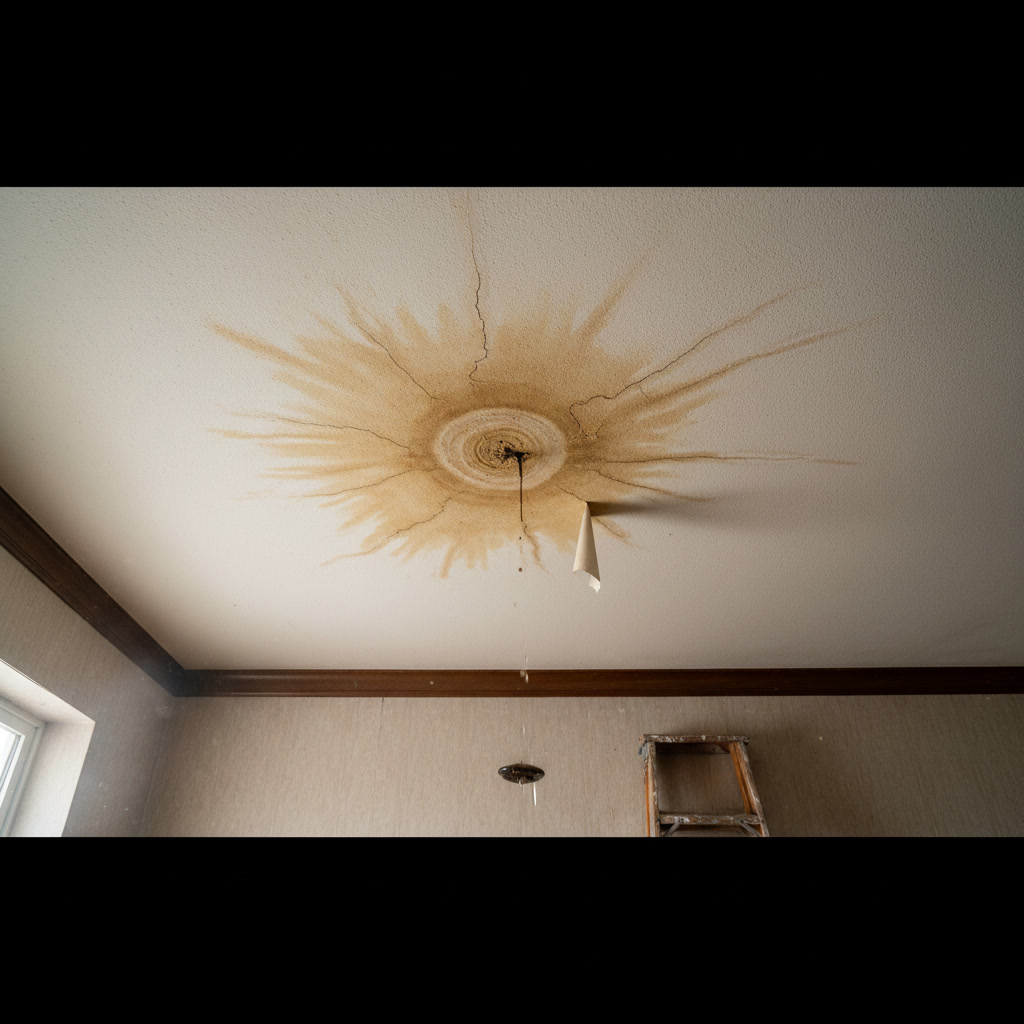
The source might be a roof leak, failed plumbing connection, or condensation from poor attic ventilation. Homeowners in Wolfforth often discover that HVAC condensate lines clog with dust and algae, causing overflow into ceiling cavities. A handyman can trace the leak, repair the source, and assess whether structural repairs are needed before cosmetic fixes hide the problem again.
Doors That Stick or Windows That Won’t Stay Open
When doors suddenly require force to close or windows refuse to stay up, foundation settling or framing movement is usually the cause. Houses built on expansive clay soils common around Lubbock shift as moisture levels change. A door that drags on the threshold this month might swing freely next month, then bind again after heavy rain.
Ignoring this symptom allows the underlying structural movement to worsen. What begins as a minor adjustment to a door hinge can progress to cracked foundation supports requiring engineering assessments and tens of thousands of dollars in stabilization work. A qualified handyman recognizes when sticking doors indicate cosmetic misalignment versus when they signal serious foundation issues requiring specialist intervention.
Slow Drains and Persistent Odors From Plumbing
Drains that empty slowly or emit foul odors indicate partial blockages or venting problems. Hair, soap scum, and mineral deposits accumulate gradually, narrowing pipes until water backs up. Left unaddressed, standing water corrodes pipe joints and fixtures. Pressure builds behind blockages, stressing seals and connections until they fail suddenly, flooding cabinets or crawl spaces.
Sewer gas odors suggest drain traps have dried out or vent pipes are blocked. These gases contain methane and hydrogen sulfide, both flammable and toxic in concentration. Beyond the unpleasant smell, they indicate a ventilation problem that can affect your health and compromise your home’s air quality. Simple handyman repairs like clearing vent stacks or resealing wax rings prevent these minor nuisances from becoming emergency plumbing calls.
Electrical Outlets and Switches That Feel Warm or Spark
Warm electrical outlets, flickering lights, or switches that spark when toggled signal dangerous wiring problems. Loose connections create resistance, generating heat that degrades insulation and increases fire risk. According to the National Fire Protection Association, electrical failures or malfunctions cause an estimated 13 percent of home structure fires annually.
Older homes may have aluminum wiring or outdated panels insufficient for modern electrical loads. Adding space heaters, electric vehicle chargers, or additional appliances without upgrading circuits overloads the system. A handyman with electrical expertise can identify whether you need simple outlet replacements or a referral to a licensed electrician for panel upgrades. Catching these problems early prevents house fires and avoids the expense of repairing fire damage.
Cracks in Walls and Separation Around Door Frames in Wolfforth
Hairline cracks in drywall are normal as homes settle, but cracks wider than one-eighth inch or those forming stair-step patterns in brick mortar indicate structural movement. Gaps opening between door frames and walls, or between baseboards and floors, show the house is shifting beyond normal tolerances.
These symptoms demand immediate attention. Filling cracks with spackle conceals the problem without addressing the cause. A skilled handyman assesses whether the movement has stabilized or continues actively. They can recommend monitoring, immediate repair, or consultation with structural engineers depending on severity. Early intervention might require only pier adjustments or drainage improvements, while delayed action could necessitate foundation underpinning costing $20,000 or more.
Damaged or Missing Caulk and Weatherstripping
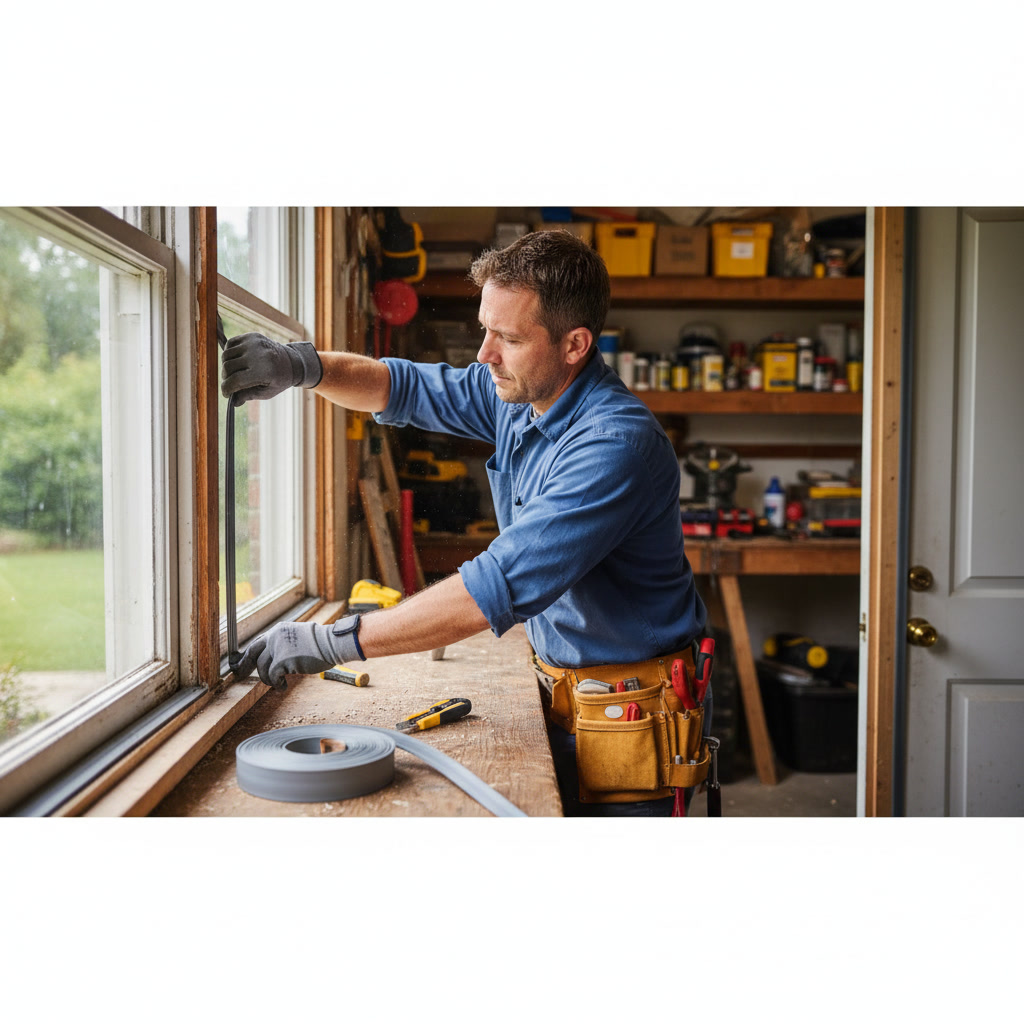
Caulk around windows, doors, and exterior penetrations dries out and cracks in intense UV exposure. Weatherstripping on doors compresses and tears with repeated use. These small failures create gaps where conditioned air escapes and outside air infiltrates. Your HVAC system works harder to maintain temperature, driving up energy bills by 10 to 30 percent.
More seriously, these gaps allow moisture intrusion. Wind-driven rain enters wall cavities, soaking insulation and promoting mold growth. Insects and rodents find entry points. Recaulking and replacing weatherstripping costs a fraction of what you’ll spend on energy efficiency solutions or emergency repairs later. Schedule this maintenance every three to five years as a preventive measure.
Eight Common Repairs That Save Money When Addressed Early
Certain repairs deliver exceptional return on investment when completed before problems escalate:
- Gutter cleaning and repair: Prevents water damage to fascia, soffits, and foundations. Clogged gutters overflow during storms, saturating soil against foundation walls and causing basement seepage or slab cracks.
- Roof flashing replacement: Seals vulnerable joints around chimneys, vents, and skylights. Failed flashing accounts for most roof leaks, yet costs a fraction of what full roof replacement demands.
- Cabinet door and drawer adjustments: Realigns hardware before screws strip out or wood splits. Replacing entire cabinets costs thousands compared to $50 to $100 in adjustment labor.
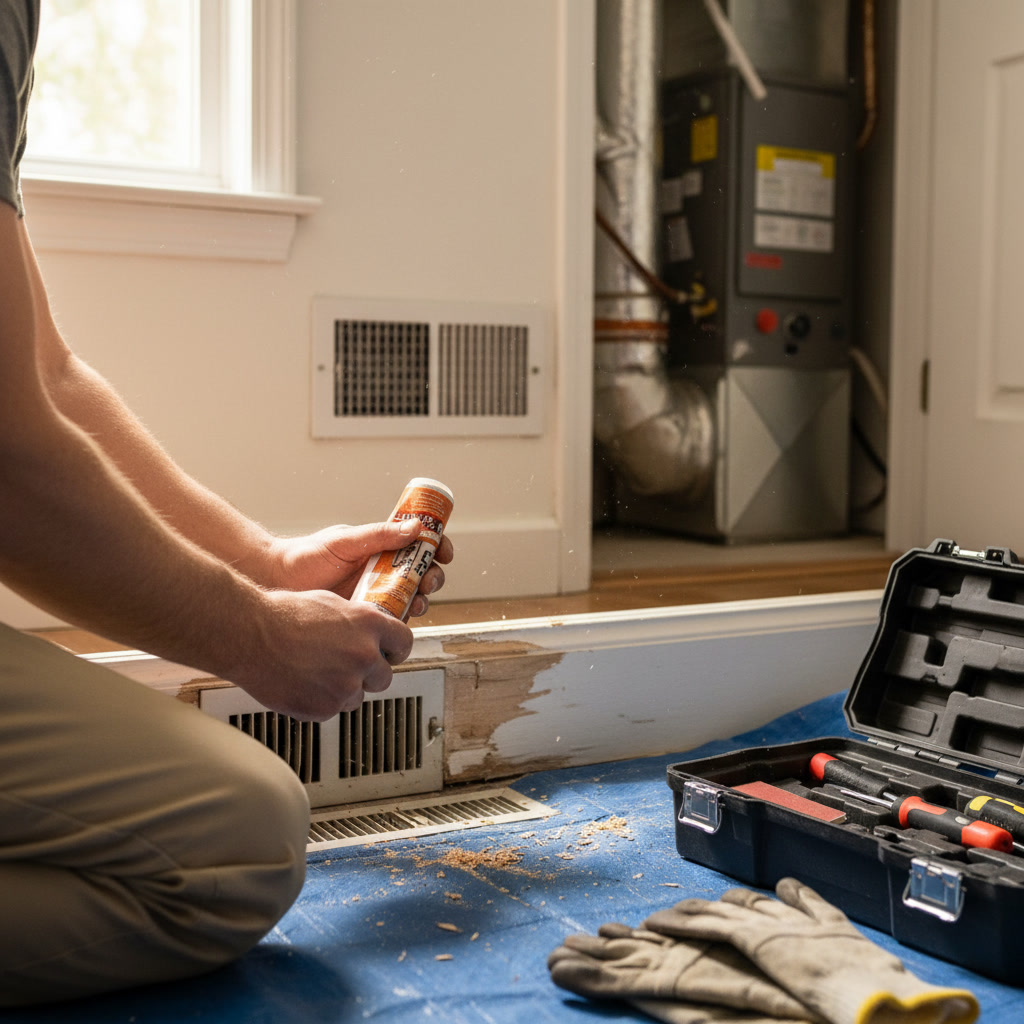
- Furnace filter changes and vent cleaning: Extends HVAC lifespan by preventing dust buildup on components. Systems clogged with debris work harder, fail sooner, and require expensive replacements years ahead of their design life. Consider scheduling regular system tune-ups for comprehensive maintenance.
- Exterior trim and siding repair: Seals openings before water penetrates sheathing and framing. Rotted framing requires demolition of interior finishes to access and replace, multiplying repair costs tenfold.
- Attic ventilation improvements: Reduces heat buildup that shortens roof shingle life and increases cooling costs. Proper ventilation can extend roof lifespan by five years or more.
- Dryer vent cleaning: Prevents lint buildup that causes 15,000 home fires annually according to the U.S. Fire Administration. Cleaning costs $100 to $150 versus tens of thousands in fire damage.
- Deck and porch board replacement: Swaps individual damaged boards before rot spreads to joists and beams. Replacing structural supports requires permits, engineering, and costs five to ten times more than surface board replacement.
How Regular Inspections Catch Problems Before You Notice Them
Most homeowners lack the training to spot early warning signs of developing problems. A professional handyman inspects with a systematic approach, checking areas homeowners overlook: crawl spaces, attic framing, exterior caulking, plumbing connections under sinks, electrical panel connections, and HVAC components.
Schedule inspections twice yearly, ideally in spring and fall. Spring inspections catch winter damage before summer heat accelerates deterioration. Fall inspections identify issues before winter freezes cause pipes to burst or ice dams to form. An inspection costs $100 to $200 but typically identifies $500 to $2,000 in preventable future repairs. The return on investment is immediate.
Look for a handyman who documents findings with photos and prioritizes repairs by urgency. Critical safety issues like electrical hazards or structural instability demand immediate action. Important but non-urgent items like worn caulking can be scheduled for the next maintenance cycle. Low-priority cosmetic issues wait until budget allows. This approach prevents overwhelming repair bills while ensuring safety problems never linger.
When DIY Repairs Make Problems Worse
Home improvement television shows make repairs look simple, but inexperienced attempts often compound problems. Using the wrong caulk formulation allows moisture penetration. Overtightening plumbing connections cracks fittings. Improper electrical repairs create fire hazards. Patching foundation cracks without addressing drainage causes fills to pop out as movement continues.
Professional handymen carry proper tools, understand building codes, and recognize when a problem exceeds handyman scope and requires licensed specialists. They know which repairs need permits and inspections. Their work is insurable, protecting you from liability if something goes wrong. When you compare the cost of proper repair to the expense of fixing DIY mistakes plus the original problem, professional service costs less.
Protecting Your Home Investment With Proactive Maintenance
Your home represents your largest financial asset. Regular handyman maintenance preserves its value and prevents catastrophic failures. Insurance covers sudden accidental damage but excludes losses from deferred maintenance. If a pipe bursts because you ignored years of slow leaks and corrosion, your claim may be denied.
Beyond financial protection, proactive repairs maintain your family’s comfort and safety. Functional windows and doors improve security. Properly sealed exteriors keep out pests and allergens. Working plumbing and electrical systems prevent health hazards. These quality-of-life improvements justify maintenance costs even without considering the money saved on emergency repairs.
Spectrum Heating & Air LLC brings years of experience identifying and repairing the small problems that become expensive emergencies when ignored. Owner Israel Garcia and his team serve homeowners throughout Levelland, Plainview, and surrounding communities with honest assessments and quality workmanship. Whether you need a quick fix or comprehensive home inspection, the team delivers reliable service that protects your investment.
Don’t wait until small problems become expensive disasters. Spectrum Heating & Air LLC offers expert handyman services throughout Lubbock and West Texas. Call +18062412335 to schedule an inspection and get ahead of repairs before they get ahead of you.