Your furnace keeps your home comfortable during cold Plainview winters, but it won’t last forever. Knowing when to replace furnace Plainview systems can save you money, improve your home’s comfort, and prevent the inconvenience of a mid-winter breakdown. Most homeowners face this decision at some point, and the answer isn’t always clear cut. This guide will walk you through the critical factors that determine whether repair or replacement makes the most sense for your situation.
The difference between a $300 repair and a $5,000 replacement is significant, so understanding the warning signs and making an informed decision matters for your budget and your family’s comfort.
How Long Do Furnaces Last in Plainview
The average furnace lifespan ranges from 15 to 20 years, depending on the type of system, how well it’s been maintained, and how hard it works during our Texas winters. Gas furnaces typically last 15 to 20 years, while electric furnaces can stretch to 20 to 30 years with proper care.
In Plainview’s climate, your furnace doesn’t run as constantly as systems in northern states, which can extend its life. However, the combination of dry air, dust, and temperature fluctuations still puts stress on heating equipment over time.
If your furnace is approaching or has passed the 15-year mark, it’s worth having a professional assessment even if it seems to work fine. Systems this age often lose efficiency and may be costing you more in energy bills than a new, high-efficiency model would.
Warning Signs Your Furnace Needs Replacement
Several clear indicators tell you when it’s time to replace furnace Plainview equipment rather than continue patching it together with repairs.
Rising Energy Bills
One of the earliest signs of a failing furnace is a steady increase in heating costs. If your natural gas or electric bills have climbed 15% or more over the past two to three years without a corresponding rate increase, your furnace is likely losing efficiency.
Older furnaces operate at 60% to 70% Annual Fuel Utilization Efficiency (AFUE), meaning 30% to 40% of your fuel is wasted. Modern high-efficiency furnaces reach 95% to 98% AFUE, converting nearly all fuel into usable heat.
Frequent Repairs
The 50% rule provides good guidance here. If a repair costs more than 50% of what a new furnace would cost, and your system is over 15 years old, replacement usually makes better financial sense.
Even smaller repairs add up. If you’ve called for service three or more times in the past two years, you’re likely throwing money at a system that’s on its last legs.
Uneven Heating Throughout Your Home
When some rooms stay cold while others overheat, your furnace may be struggling to distribute air properly. This often indicates a failing blower motor, deteriorating ductwork connections, or a heat exchanger that can’t maintain consistent output.
While ductwork issues can sometimes be repaired separately, if you’re also seeing other warning signs, the uneven heating may be your furnace’s way of telling you it can’t keep up anymore.
Strange Noises
All furnaces make some noise during operation, but loud banging, rattling, screeching, or groaning sounds indicate serious problems. A loud boom when the furnace ignites suggests delayed ignition and gas buildup. Constant rattling often means loose components or a cracked heat exchanger.
Screeching or squealing typically points to a failing blower motor or belt. While some of these components can be replaced, multiple noise issues in an older furnace usually signal that replacement is the wiser choice.
Yellow Burner Flame
Your furnace’s burner flame should burn steady and blue. A yellow or flickering flame indicates incomplete combustion, which can produce dangerous carbon monoxide.
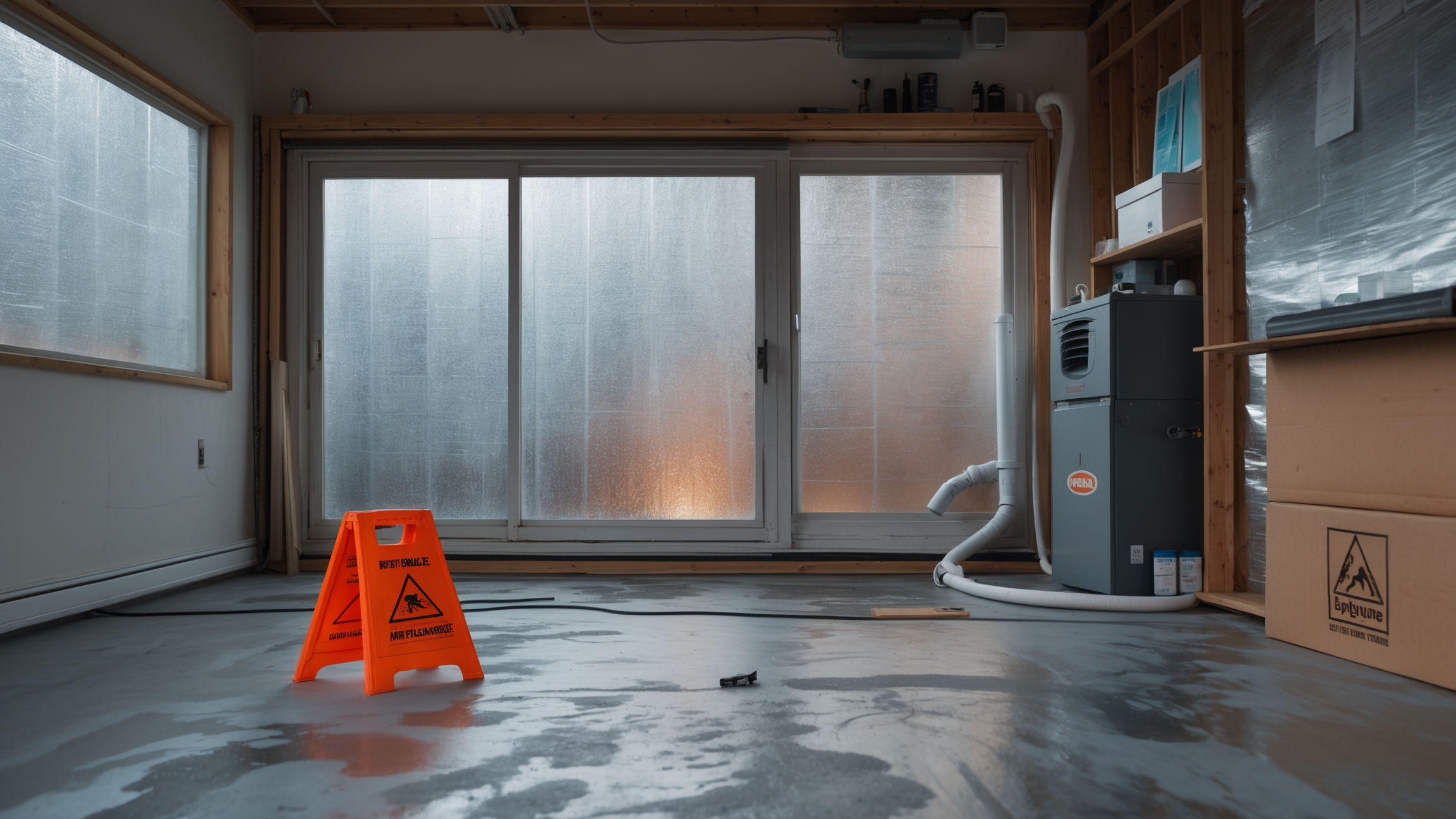
If you notice a yellow flame along with excessive moisture on windows, rust on pipes, or soot buildup around the furnace, shut the system down and call for immediate service. These are signs of a potentially hazardous situation that replacement should address.
The Cost Factor in Replacement Decisions
When deciding whether to replace furnace Plainview systems, the financial calculation involves more than just the sticker price of a new unit.
Repair Costs Versus Replacement
Common furnace repairs in the Plainview area typically range from $150 for a simple thermostat issue to $1,200 for a heat exchanger or blower motor. A complete furnace replacement generally runs between $3,000 and $7,000, depending on the system size, efficiency rating, and installation complexity.
Use this formula to evaluate: multiply your furnace’s age by the repair cost. If that number exceeds the cost of a new furnace, replacement makes more sense. For example, a 16-year-old furnace needing an $800 repair gives you 12,800 (16 x 800). If a new furnace costs $5,000, replacement is the better long-term investment.
Energy Savings Over Time
A new high-efficiency furnace can cut your heating costs by 30% to 40% compared to an older system. For a Plainview home spending $1,200 per year on heating, that’s $360 to $480 in annual savings.
Over a 15-year lifespan, you’d save $5,400 to $7,200 in energy costs, effectively paying for much of the replacement cost through reduced bills. The colder your winter and the more you run your heat, the faster you’ll recoup your investment.
Rebates and Incentives
Federal tax credits for high-efficiency HVAC equipment can reduce your replacement cost by up to $600 for systems meeting specific efficiency standards. Some utility companies also offer rebates for upgrading to energy-efficient equipment.
These incentives change periodically, so ask your HVAC contractor about current programs when you’re evaluating replacement options. The savings can make the difference between borderline and clearly worthwhile replacement decisions.
Choosing the Right Replacement Furnace
Once you’ve decided replacement is necessary, selecting the right system ensures you get maximum value and performance for your investment.
Sizing Matters
Proper furnace sizing is critical. A unit that’s too small will run constantly and struggle to heat your home. An oversized furnace will cycle on and off frequently, wearing out components faster and creating temperature swings.
Professional contractors perform a Manual J load calculation, accounting for your home’s square footage, insulation levels, window quality, ceiling height, and local climate. This calculation determines the exact BTU capacity your home needs.
Efficiency Ratings to Consider
In Texas, furnaces don’t need to work as hard as they do in northern climates, so the cost-benefit analysis of ultra-high-efficiency models differs from colder regions. An AFUE rating of 90% to 95% typically provides the best balance of efficiency and value for Plainview homeowners.
Going from 95% to 98% efficiency costs considerably more upfront but saves only a small amount on annual heating bills in our relatively mild winters. That extra efficiency takes longer to pay back here than it would in Minnesota or Montana.
Single-Stage Versus Variable-Speed
Single-stage furnaces run at full capacity whenever they’re on. Two-stage models operate at a lower capacity most of the time, ramping up only when needed. Variable-speed furnaces adjust output continuously for maximum efficiency and comfort.
Variable-speed systems cost more initially but provide better temperature control, quieter operation, and lower operating costs. They also improve indoor air quality by running the fan at lower speeds for longer periods, providing better filtration.
Pro Tip: Match your new furnace to your air conditioning system’s capabilities. If you have or plan to install a high-efficiency AC, a variable-speed furnace with a compatible blower motor maximizes both systems’ performance.
The Installation Process
Understanding what happens during furnace replacement helps you plan and ensures the job is done right.
A complete furnace replacement typically takes four to eight hours, depending on system complexity and any modifications needed to your existing setup. The contractor will remove your old furnace, inspect and possibly modify ductwork connections, install the new unit, and test all safety and performance features.
Expect the technician to check gas line connections for leaks, verify proper venting, test the thermostat, and ensure the new furnace cycles correctly. They should also explain your new system’s features and maintenance requirements before leaving.
If your home has older ductwork, the installation might reveal leaks or disconnections that affect efficiency. While this can add to project costs, addressing these issues ensures your new furnace performs at its rated efficiency.
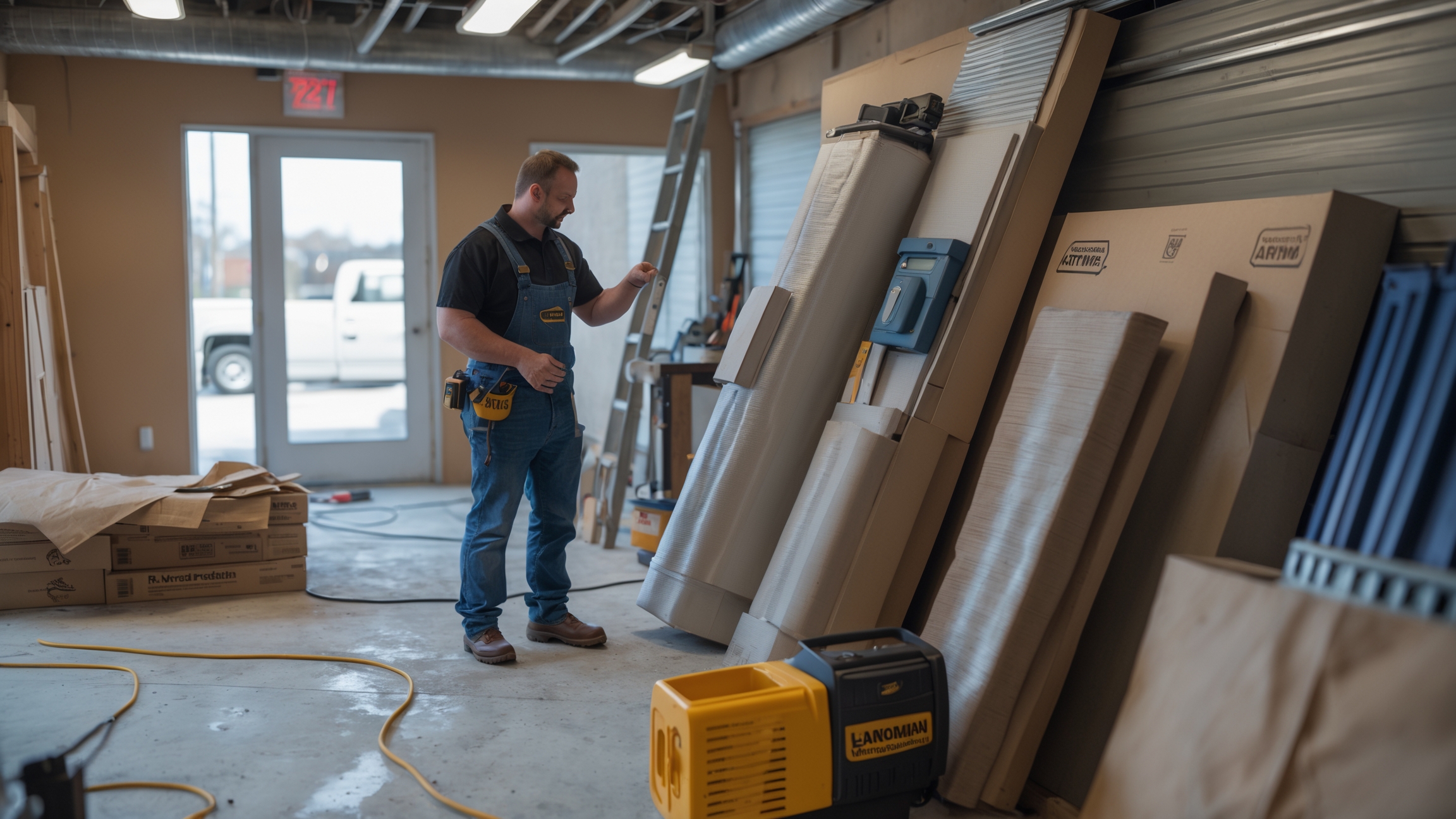
Preventive Maintenance Extends Furnace Life
Whether you decide to replace furnace Plainview equipment now or squeeze a few more years from your current system, proper maintenance significantly impacts lifespan and performance.
Annual professional tune-ups catch small problems before they become expensive failures. During a maintenance visit, technicians clean burners, check electrical connections, test safety controls, measure gas pressure, inspect the heat exchanger, and verify proper airflow.
Between professional visits, change your air filter every one to three months depending on filter type and home conditions. A clogged filter forces your furnace to work harder, increases energy costs, and shortens equipment life. Homes with pets, smokers, or high dust levels need more frequent changes.
Keep the area around your furnace clear of storage items, ensure vents throughout your home aren’t blocked by furniture, and listen for unusual sounds that might indicate developing problems. Catching issues early often means a simple repair instead of complete system failure.
Why Professional Assessment Matters
While this guide provides general indicators for replacement timing, every home and situation is unique. A qualified HVAC technician can provide a detailed assessment of your specific furnace’s condition and expected remaining lifespan.
Professional evaluation includes combustion analysis to measure efficiency, heat exchanger inspection for cracks or corrosion, airflow testing, and safety system verification. These tests reveal problems you can’t see or measure on your own.
A trustworthy contractor will give you honest advice about whether repair or replacement makes the most sense. If your furnace has several good years left and the repair is reasonable, they’ll tell you. If you’re looking at an expensive repair on an old system, they’ll explain why replacement is the better investment.
Spectrum Heating & Air LLC provides thorough furnace assessments for homeowners throughout the Plainview area. Their technicians can evaluate your current system, explain your options, and help you make an informed decision based on your home’s needs and your budget.
Frequently Asked Questions
Can I replace just the furnace and keep my old air conditioner
Yes, you can replace just the furnace if your air conditioner is newer and working well. However, matching system components typically improves overall performance and efficiency. If your AC is also 10 to 15 years old, replacing both units at once often makes sense and may reduce installation costs compared to two separate projects.
How long does a new furnace installation take
Most straightforward furnace replacements take four to eight hours. More complex installations involving ductwork modifications, system upgrades, or difficult access can take a full day. Your contractor should provide a time estimate based on your specific situation during the initial assessment.
Will a new furnace really lower my energy bills
If you’re replacing a furnace that’s 15 to 20 years old, you can expect energy savings of 25% to 40% on heating costs with a modern high-efficiency system. The exact savings depend on your old furnace’s condition, your new system’s efficiency rating, and how much you run your heat during winter months.
What furnace brand is most reliable
Several manufacturers produce reliable furnaces, including Carrier, Trane, Lennox, Bryant, and Rheem. Brand matters less than proper sizing, professional installation, and regular maintenance. A mid-tier furnace installed correctly and maintained regularly will outperform a premium brand that’s improperly sized or poorly installed.
Should I get multiple quotes for furnace replacement
Getting two to three quotes helps you understand market pricing and compare contractor approaches. Look beyond the bottom-line price to consider equipment quality, warranty coverage, contractor experience, and company reputation. The lowest bid isn’t always the best value if it involves lower-quality equipment or shortcuts during installation.
Making Your Decision
Deciding when to replace your furnace comes down to age, repair costs, efficiency, and reliability. If your system is over 15 years old, costing more to run each year, and requiring frequent repairs, replacement typically provides better long-term value than continuing to patch an aging system.
The investment in a new, efficient furnace pays dividends through lower energy bills, improved comfort, and the peace of mind that comes from reliable heat when you need it most.
If you’re considering whether to replace furnace Plainview systems in your home, Spectrum Heating & Air LLC can provide an honest assessment and clear recommendations tailored to your situation. Their experienced technicians serve Plainview and surrounding areas with professional heating system evaluation, repair, and installation services. Call +18062412335 to schedule a furnace inspection and discuss your options with a qualified professional.