
Homeowners in Levelland, TX face extreme temperature swings throughout the year, from scorching summers to cold winter nights. If your energy bills keep climbing or your HVAC system runs constantly, outdated insulation is likely the culprit. Understanding spray foam insulation cost Levelland homeowners typically face helps you make an informed decision about one of the most effective upgrades for your home’s comfort and efficiency.
This guide breaks down what you’ll pay for spray foam insulation in Levelland, the factors that affect pricing, and how to get the most value from your investment. Whether you’re insulating a new build, renovating an older home, or looking to reduce energy waste, you’ll find the specific numbers and insights you need.
Average Spray Foam Insulation Costs in Levelland TX
The spray foam insulation cost Levelland residents pay varies based on project size and foam type, but most homeowners spend between $1,500 and $8,000 for typical residential applications. Per square foot, expect to pay $1.50 to $4.50 for open-cell foam and $3.00 to $7.00 for closed-cell foam installed.
For a standard 1,500 square foot attic in Levelland, open-cell spray foam typically costs $2,250 to $6,750, while closed-cell foam runs $4,500 to $10,500. These ranges include materials, labor, and equipment but can shift based on access difficulty, existing insulation removal, and project-specific factors.
Smaller projects like crawl spaces or rim joists cost less overall but may have a higher per-square-foot rate due to setup and minimum service fees. A 500 square foot crawl space might cost $1,000 to $2,500 for open-cell foam, while the same area in closed-cell could run $1,500 to $3,500.
Open-Cell vs Closed-Cell Spray Foam Pricing
The two main types of spray foam insulation come with different price points and performance characteristics. Understanding these differences helps you choose the right product for your budget and needs.
Open-Cell Spray Foam
Open-cell foam costs less upfront, typically $1.50 to $4.50 per square foot installed. It expands to about 3 inches thick for optimal R-value and provides an R-value of roughly 3.5 per inch. This foam type works well for interior walls, attics, and areas where you want sound dampening along with thermal insulation.
The lighter density makes it easier to apply and requires less material, which keeps costs down. However, open-cell foam is vapor-permeable and not recommended for areas with high moisture exposure or where you need an air and moisture barrier.
Closed-Cell Spray Foam
Closed-cell foam costs more at $3.00 to $7.00 per square foot but delivers superior insulation value at R-6.5 to R-7 per inch. This denser foam acts as both an insulation layer and a moisture barrier, making it ideal for exterior walls, crawl spaces, and areas prone to humidity.
The higher spray foam insulation cost Levelland homeowners pay for closed-cell foam often pays off through better energy savings, structural reinforcement, and longer lifespan. In West Texas climate conditions, closed-cell foam handles temperature extremes and occasional moisture better than open-cell alternatives.
Key Factors That Affect Your Spray Foam Insulation Price
Several variables influence the final cost of your spray foam insulation project. Knowing these helps you understand quotes and identify where you might adjust the scope to fit your budget.
Project Size and Square Footage
Larger projects benefit from economies of scale. Installing 2,000 square feet of spray foam costs less per square foot than a 300 square foot job because setup, equipment rental, and travel costs get distributed across more work.
Very small projects under 200 square feet often hit minimum service charges that raise the effective per-square-foot rate. If you’re planning multiple small areas, bundling them into one project typically reduces your total cost.
Foam Thickness and R-Value Requirements
The thickness of foam you need directly impacts material costs. Building codes and energy efficiency goals dictate minimum R-values for different parts of your home. Attics in Texas typically require R-30 to R-38, which means about 9 to 11 inches of open-cell foam or 5 to 6 inches of closed-cell.
If your project requires extra thickness to meet code or achieve specific energy savings targets, expect proportionally higher material costs. Experienced installers at Levelland locations can calculate the exact thickness your home needs based on its construction and your goals.
Accessibility and Workspace Conditions
Hard-to-reach areas cost more to insulate. Attics with low clearance, crawl spaces requiring entry through small access points, or walls that need drilling for injection all add labor time and difficulty. These factors can increase your spray foam insulation cost Levelland projects by 15% to 30%.
Older homes with irregular framing, existing insulation that needs removal, or contamination issues like mold remediation add preparation work that raises total costs. Clear communication with your contractor about access and existing conditions prevents surprise charges later.
Existing Insulation Removal
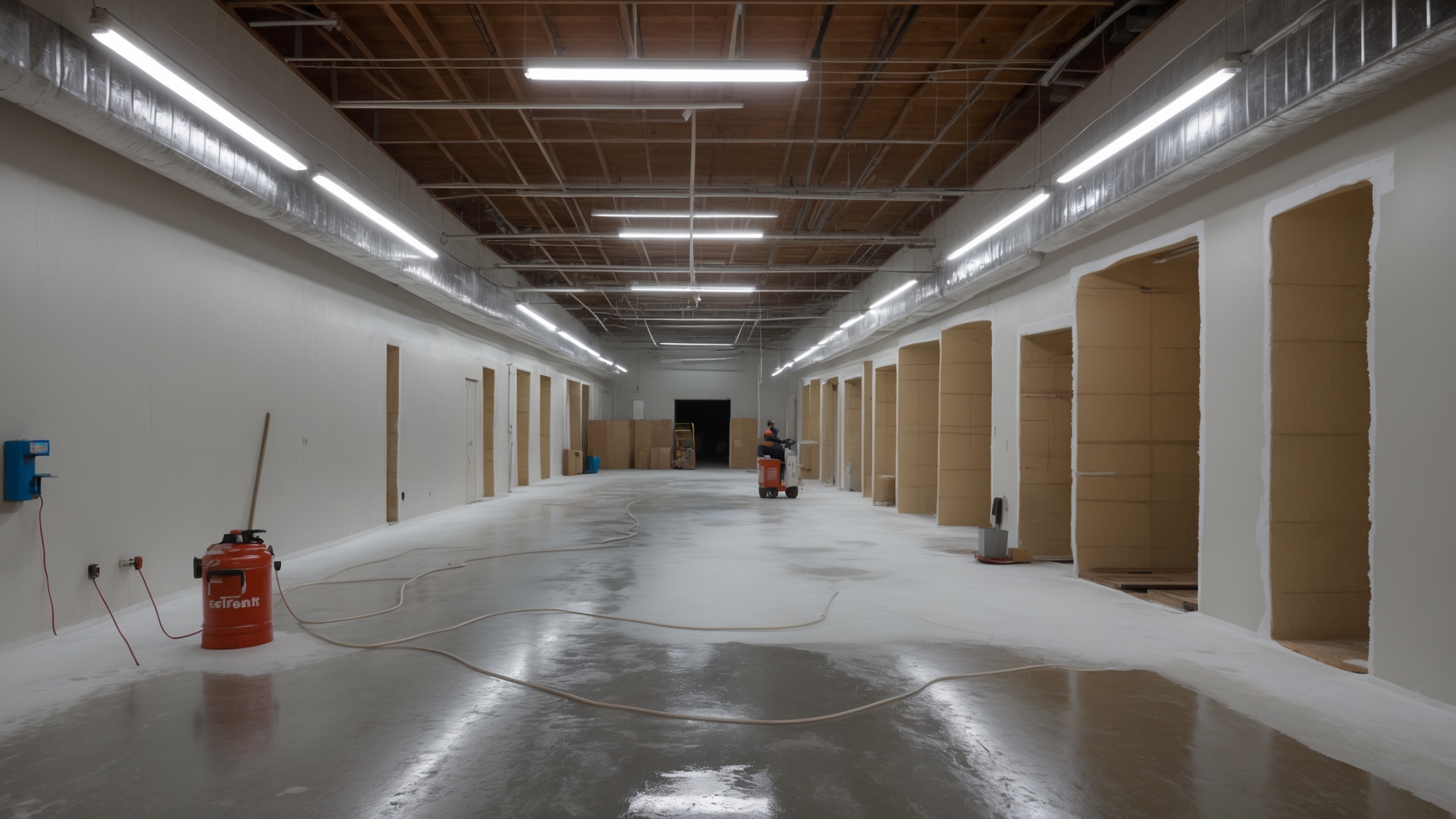
If your home has old fiberglass batts, blown-in cellulose, or deteriorated insulation, removal adds $1.00 to $2.50 per square foot to your project. Some situations allow spray foam to be applied over existing insulation if it’s dry and in good condition, but most professionals recommend removal for best results.
Moldy or pest-damaged insulation must be removed and the area treated before new insulation goes in, adding both time and cost to your project. Factor this into your budget if your home is more than 20 years old or if you’ve noticed insulation problems.
How Spray Foam Insulation Saves You Money Long-Term
While the upfront spray foam insulation cost Levelland homeowners pay exceeds traditional insulation options, the energy savings and added benefits often justify the investment within five to ten years.
Spray foam insulation can reduce heating and cooling costs by 40% to 60% compared to homes with minimal or outdated insulation. For a typical Levelland home spending $200 monthly on energy, that translates to $80 to $120 in monthly savings, or $960 to $1,440 annually.
Beyond energy bills, spray foam adds structural rigidity to walls and roofs, reduces outdoor noise infiltration, and prevents moisture problems that can lead to costly repairs. The air-sealing properties eliminate drafts and help your heating and air system maintain consistent temperatures with less runtime.
Pro Tip: Combining spray foam insulation with regular system tune-ups maximizes energy efficiency. A well-insulated home allows your HVAC equipment to work less, extending its lifespan and reducing repair frequency.
Many homeowners also see increased property values after insulation upgrades. Energy-efficient homes command higher sale prices and appeal to buyers looking for lower utility costs and modern comfort features.
Comparing Spray Foam to Other Insulation Options
Understanding how spray foam stacks up against alternatives helps you decide if the higher initial cost makes sense for your situation.
Fiberglass batts cost $0.60 to $1.50 per square foot installed but provide lower R-values per inch and don’t seal air leaks. Blown-in cellulose runs $1.20 to $2.80 per square foot and offers better coverage than batts but still allows air movement that reduces effectiveness.
Spray foam’s ability to seal gaps, cracks, and irregular spaces gives it a performance advantage that traditional insulation can’t match. In attics and crawl spaces where air leakage causes significant energy loss, spray foam delivers results that justify the price difference for most homeowners.
If budget constraints make spray foam difficult, consider prioritizing the most problematic areas first. Sealing your attic with spray foam while using traditional insulation in walls can balance cost and performance. Similar strategic thinking applies when planning other home improvements, such as timing HVAC installation costs with insulation upgrades.
Getting Accurate Quotes for Your Levelland Insulation Project
The best way to determine your specific spray foam insulation cost Levelland pricing requires an on-site evaluation from qualified professionals. Remote estimates based on square footage alone miss important factors that affect your final price.
When requesting quotes, ask contractors to specify whether they’re quoting open-cell or closed-cell foam, what thickness they recommend, and what their price includes. Some quotes bundle removal of old insulation, air sealing prep work, and cleanup, while others charge these as separate line items.
Verify that the contractor is licensed, insured, and experienced with spray foam specifically. Improper installation can cause odors, incomplete coverage, or failure to meet building codes. Look for professionals who discuss building science principles and explain how insulation works with your HVAC system to create an efficient home environment.
Ask about warranties on both materials and labor. Quality spray foam should last the lifetime of your home, but installation defects or product issues occasionally arise. Understanding your coverage protects your investment.
Best Times to Install Spray Foam Insulation in West Texas
Spray foam installation works year-round in Levelland, but scheduling during moderate weather offers advantages. Spring and fall typically provide comfortable working conditions and may offer better contractor availability compared to peak summer and winter seasons.
If you’re planning insulation alongside other projects like roof replacement or HVAC upgrades, coordinate timing to maximize efficiency and minimize disruption. Installing new insulation before upgrading your heating and air equipment allows contractors to properly size the system based on your home’s improved efficiency.
Many homeowners find winter an ideal time to address insulation problems because cold drafts and high heating bills make the need obvious. Similarly, summer heat that overwhelms your air conditioning points to insulation deficiencies worth fixing before the next cooling season.
Frequently Asked Questions
How long does spray foam insulation last in Levelland homes?
Quality spray foam insulation lasts 80 to 100 years or more without settling, sagging, or losing R-value. Unlike fiberglass or cellulose that can compress and degrade, spray foam maintains its insulating properties and air-sealing performance throughout the life of your home. The durable nature makes the higher upfront cost a one-time investment.
Can I install spray foam insulation myself to save money?
DIY spray foam kits exist but rarely deliver the same results as professional installation. Proper application requires specialized equipment, training in mixing ratios and spray techniques, and understanding of building science to avoid moisture traps or ventilation problems. Most homeowners find that professional installation provides better value through correct coverage, warranties, and compliance with building codes.
Does spray foam insulation qualify for energy efficiency rebates?
Some utility companies and government programs offer rebates or tax credits for insulation upgrades that meet specific efficiency standards. Check with your local utility provider and visit the Database of State Incentives for Renewables and Efficiency to identify available programs. Keep all receipts and documentation, as rebate applications typically require proof of purchase and installation details.
Will spray foam insulation reduce my HVAC system’s workload?
Yes, proper insulation dramatically reduces heating and cooling demands. Homes with quality spray foam insulation maintain stable temperatures with less HVAC runtime, which lowers energy bills and extends equipment life. The air sealing properties prevent conditioned air from escaping and outdoor air from infiltrating, allowing your system to work efficiently within its designed capacity.
How much does spray foam insulation cost for a whole house in Levelland?
Whole-house spray foam insulation for a typical 2,000 square foot home in Levelland ranges from $6,000 to $18,000 depending on the areas insulated and foam type chosen. Attics and crawl spaces provide the biggest efficiency improvements per dollar spent, while full exterior wall insulation maximizes performance but increases total cost. A detailed assessment identifies which areas offer the best return on investment for your specific home.
Making the Right Insulation Investment for Your Levelland Home
Understanding spray foam insulation cost Levelland pricing helps you budget effectively and choose the right insulation strategy for your home. While initial costs exceed traditional insulation options, the energy savings, comfort improvements, and long-term durability make spray foam a smart investment for many West Texas homeowners.
The key to getting good value is working with experienced professionals who assess your home’s specific needs, recommend appropriate foam types and thicknesses, and install the product correctly. Combining quality insulation with proper HVAC maintenance creates an efficient, comfortable home that costs less to operate year after year.
Spectrum Heating & Air LLC provides expert spray foam insulation services throughout Levelland and surrounding West Texas communities. Owner Israel Garcia and his team offer honest pricing, quality workmanship, and the building science expertise needed to make your insulation project a success. To schedule an on-site evaluation and receive an accurate quote for your home, call +18062412335 or visit our contact page to get started.