Your HVAC system works hard to keep your Tahoka home comfortable through scorching summers and chilly winters. While regular professional maintenance matters, many homeowners overlook the impact that basic handyman repairs Tahoka specialists can perform to protect and extend the life of heating and cooling equipment. Small fixes around your home often prevent bigger, costlier HVAC problems down the road.
This guide explains which handyman repairs make the biggest difference for your HVAC system’s longevity, why they matter, and when to call professionals for specialized work. Whether you’re dealing with drafty windows, sagging ductwork, or moisture issues, the right repairs at the right time can save thousands in premature equipment replacement.
Why Home Maintenance Affects Your HVAC System
Your heating and air conditioning system doesn’t operate in isolation. It interacts with every part of your home’s structure, from the attic insulation to the foundation vents. When other systems fail or degrade, your HVAC equipment compensates by running longer and working harder.
This extra strain shortens component life, increases energy bills, and often voids manufacturer warranties. A well-sealed home with proper ventilation allows your HVAC system to cycle normally, maintaining consistent temperatures without overwork.
Most HVAC systems in West Texas homes last 12 to 15 years with proper care. Homes with unaddressed structural issues, poor insulation, or ventilation problems often see equipment failure at the 8 to 10 year mark. The difference comes down to preventable stress on expensive components like compressors, heat exchangers, and blower motors.
Ductwork Repairs and Sealing
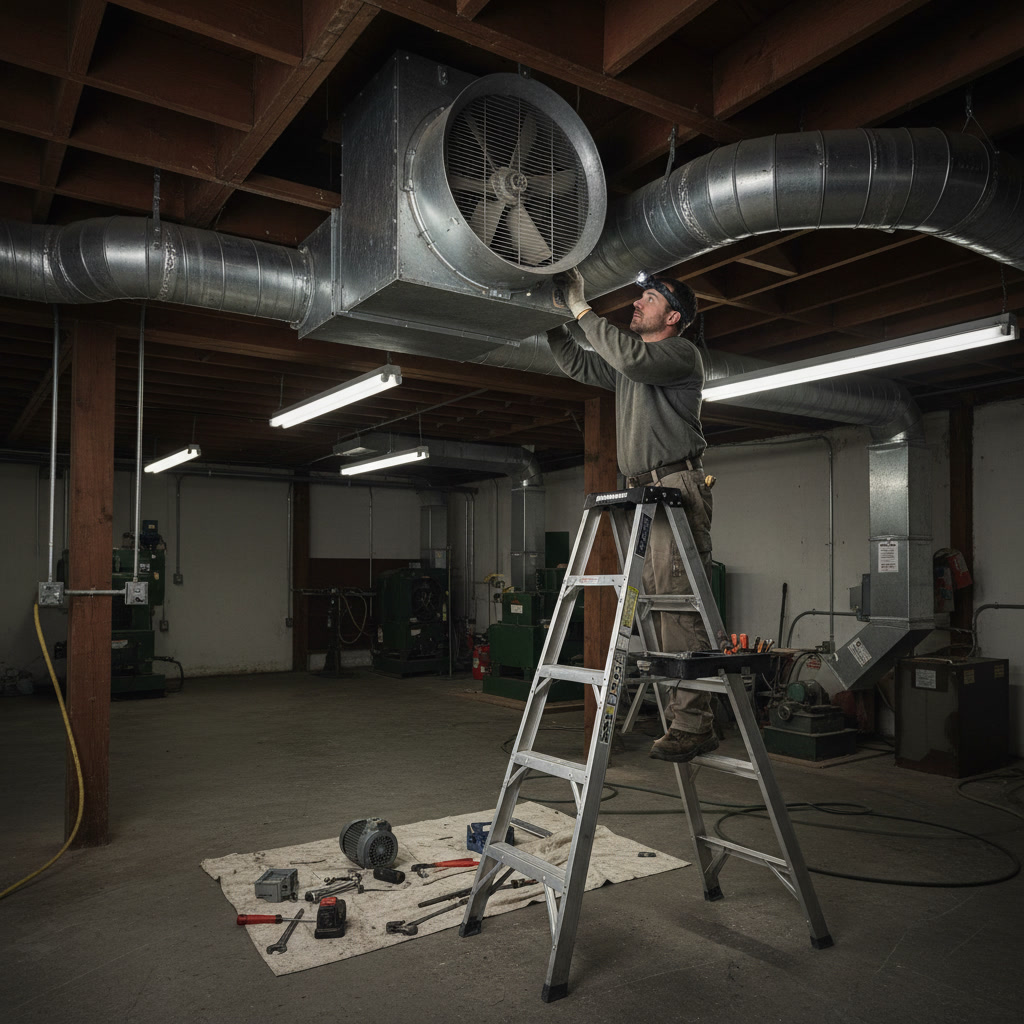
Leaky or damaged ductwork ranks among the most common yet overlooked issues affecting HVAC performance. Studies show that typical duct systems lose 20 to 30 percent of conditioned air through gaps, holes, and poor connections. That lost air forces your system to run longer cycles just to maintain temperature.
In Tahoka homes with attic ductwork, summer heat intensifies this problem. When cool air escapes into a 140-degree attic space, your air conditioner battles impossible odds. The compressor runs continuously, utility bills spike, and the equipment ages rapidly.
Common Duct Problems Handymen Can Fix
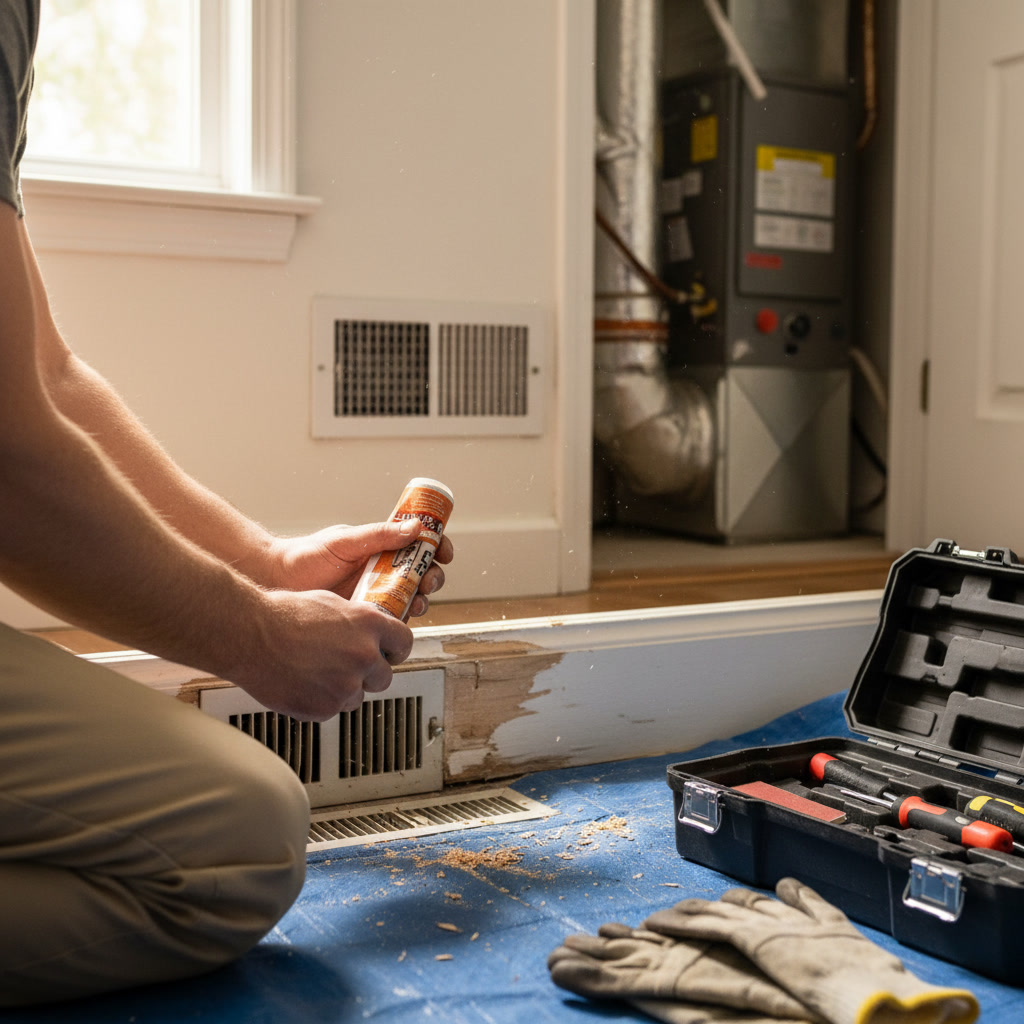
Disconnected or loose flex duct connections happen frequently in older homes or after attic work. A handyman service can reattach these sections and secure them with proper clamps and mastic sealant.
Crushed or kinked flexible ducts restrict airflow to specific rooms. This creates pressure imbalances that strain the blower motor and reduce comfort. Repositioning and supporting sagging ducts restores proper airflow.
Small holes and gaps around metal duct seams develop over time as buildings settle. Professional-grade mastic sealant (not standard duct tape, which degrades quickly) provides a durable, long-lasting fix that keeps conditioned air where it belongs.
Proper duct insulation matters too, especially for runs through unconditioned spaces. Upgrading or replacing damaged duct insulation prevents temperature loss and condensation problems that can lead to mold growth.
Weatherstripping and Air Sealing
Air leaks around doors and windows account for significant energy waste in most homes. When outdoor air infiltrates freely, your HVAC system runs extra cycles to compensate for the constant temperature change. This pattern of short-cycling or extended runtime damages components designed for intermittent operation.
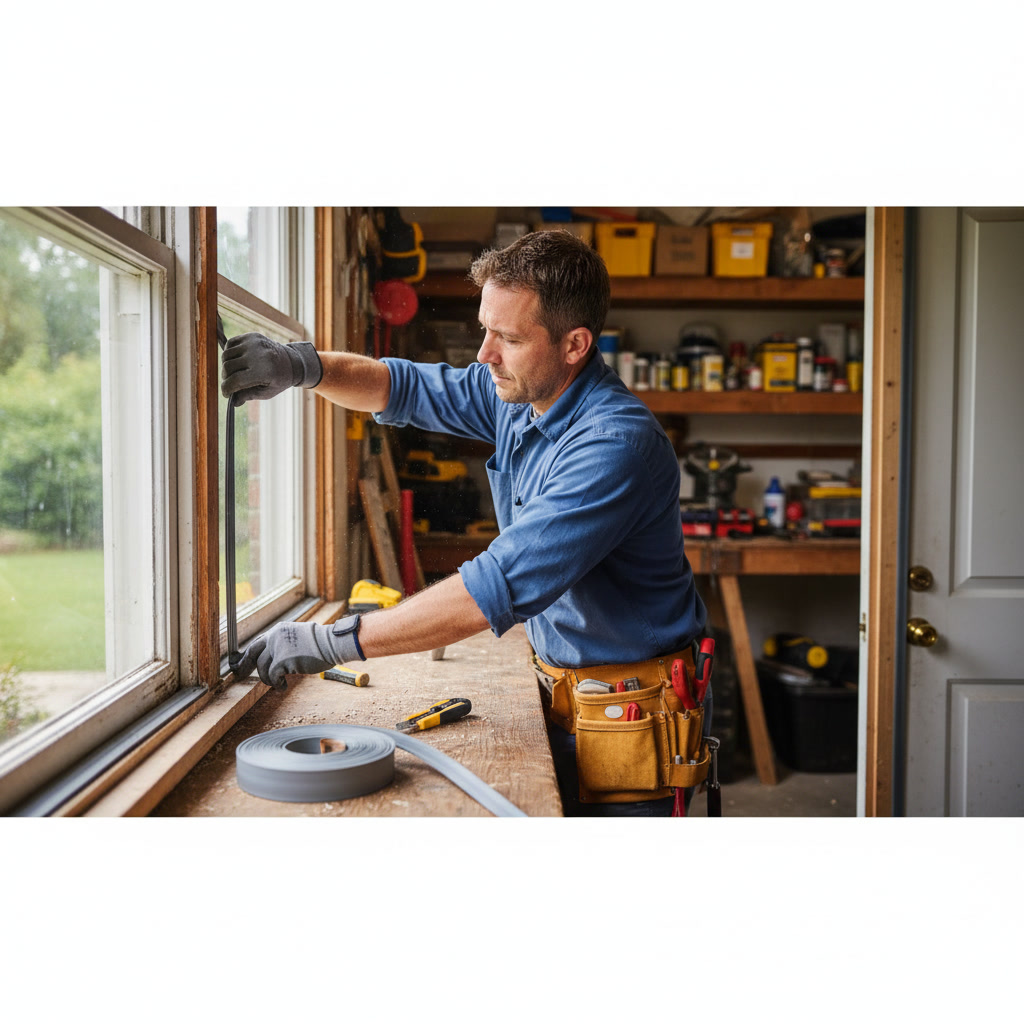
Professional handyman repairs Tahoka homeowners request frequently include door weatherstripping replacement. The rubber or foam strips that seal the gap between door and frame compress and crack over time, especially on frequently used exterior doors.
Window sealing presents similar challenges. Old caulk shrinks and pulls away from frames, creating invisible pathways for air exchange. A handyman can remove deteriorated caulk, clean the surfaces properly, and apply fresh sealant that lasts for years.
Pro Tip: Test for air leaks on a windy day by holding a lit incense stick near window frames, door edges, electrical outlets, and baseboards. Smoke that wavers or blows sideways indicates an air leak worth sealing.
Attic access doors and pull-down stairs often lack proper weatherstripping entirely. These large openings dump conditioned air into the attic while allowing hot or cold attic air into living spaces. Adding weatherstripping and an insulated cover stops this energy drain immediately.
Ventilation and Airflow Improvements
Proper ventilation balances fresh air intake with moisture control and energy efficiency. Too little ventilation traps humidity and indoor pollutants. Too much ventilation wastes conditioned air and overworks your HVAC system.
Bathroom and kitchen exhaust fans play a critical role in this balance. When these fans fail or vent improperly, excess moisture migrates through the home, potentially condensing on cold air ducts or inside wall cavities. This moisture degrades insulation and can damage HVAC components.
Exhaust Fan Repairs and Upgrades
Many older homes have exhaust fans that vent into the attic rather than outdoors. This outdated practice dumps moisture and heat into attic spaces, creating the perfect environment for mold growth and reducing insulation effectiveness. Rerouting these vents to proper outdoor terminations protects both your home structure and your heating and air equipment.
Noisy or weak bathroom fans often have accumulated dust and lint that blocks the impeller. Cleaning or replacing these units ensures they remove moisture effectively before it impacts your HVAC system or indoor air quality.
Foundation vents in homes with crawl spaces require seasonal attention. In summer, open vents help moisture escape. Damaged or missing vent covers allow pests and excessive humidity to enter. A handyman can repair or replace these covers to maintain proper crawl space conditions.
Insulation Repairs That Reduce HVAC Load
Insulation degrades, shifts, and compresses over time, especially in attics where foot traffic and stored items disturb the material. Gaps in insulation coverage create thermal bridges where heat flows freely between indoor and outdoor spaces. Your HVAC system compensates by running longer to overcome this heat transfer.
In Tahoka’s climate, attic insulation directly impacts cooling costs. Inadequate or damaged insulation allows summer heat to radiate through ceilings into living spaces. Your air conditioner battles this constant heat gain, cycling more frequently and wearing out faster.
A handyman can identify and repair small insulation gaps, reposition displaced batts, and add insulation in commonly overlooked areas like attic hatches, dropped soffits, and bonus room kneewalls. For comprehensive insulation upgrades, professional spray foam insulation offers superior performance and air sealing in one application.
Wall insulation problems often go unnoticed until infrared cameras or extreme energy bills reveal the issue. While complete wall insulation requires specialized equipment, handymen can address gaps around electrical boxes, plumbing penetrations, and exterior wall fixtures that allow air infiltration.
Thermostat Location and Wiring Issues
Thermostat problems don’t always require HVAC technician expertise. Many issues stem from poor location choices, loose wiring, or interference from nearby heat sources. These problems cause your system to misread home temperatures and cycle incorrectly.
Thermostats located on exterior walls, near windows, above air vents, or in direct sunlight provide inaccurate temperature readings. The system responds to these false signals rather than actual living space conditions. Relocating a thermostat to an interior wall in a central location improves accuracy and system performance.
Loose wire connections at the thermostat base cause intermittent operation or complete system failure. A handyman familiar with low-voltage wiring can secure these connections, test continuity, and ensure reliable communication between thermostat and equipment.
Drafts from the wall cavity behind the thermostat also affect readings. Sealing the wall penetration with foam or caulk eliminates this issue. For homes upgrading to programmable or smart thermostats, handymen can often handle the installation if no new wiring runs are required.
Drainage and Moisture Control
Water and HVAC systems share an uneasy relationship. While air conditioners naturally produce condensate during operation, any moisture beyond this designed drainage threatens equipment life and home structure. Handyman repairs that manage moisture protect your investment in heating and cooling equipment.
Condensate Drain Line Maintenance
Air conditioner condensate lines often develop clogs from algae growth, dust accumulation, or insect nests. When the primary drain clogs, water backs up into the drain pan and potentially overflows onto ceilings or floors. Regular clearing of drain lines prevents this damage.
Many homes lack proper secondary drain line terminations. Building codes require these safety overflows, but older installations sometimes omit them or terminate them in hard-to-notice locations. A handyman can extend secondary drains to visible locations where overflow alerts you to primary drain problems before damage occurs.
Gutters and Downspouts
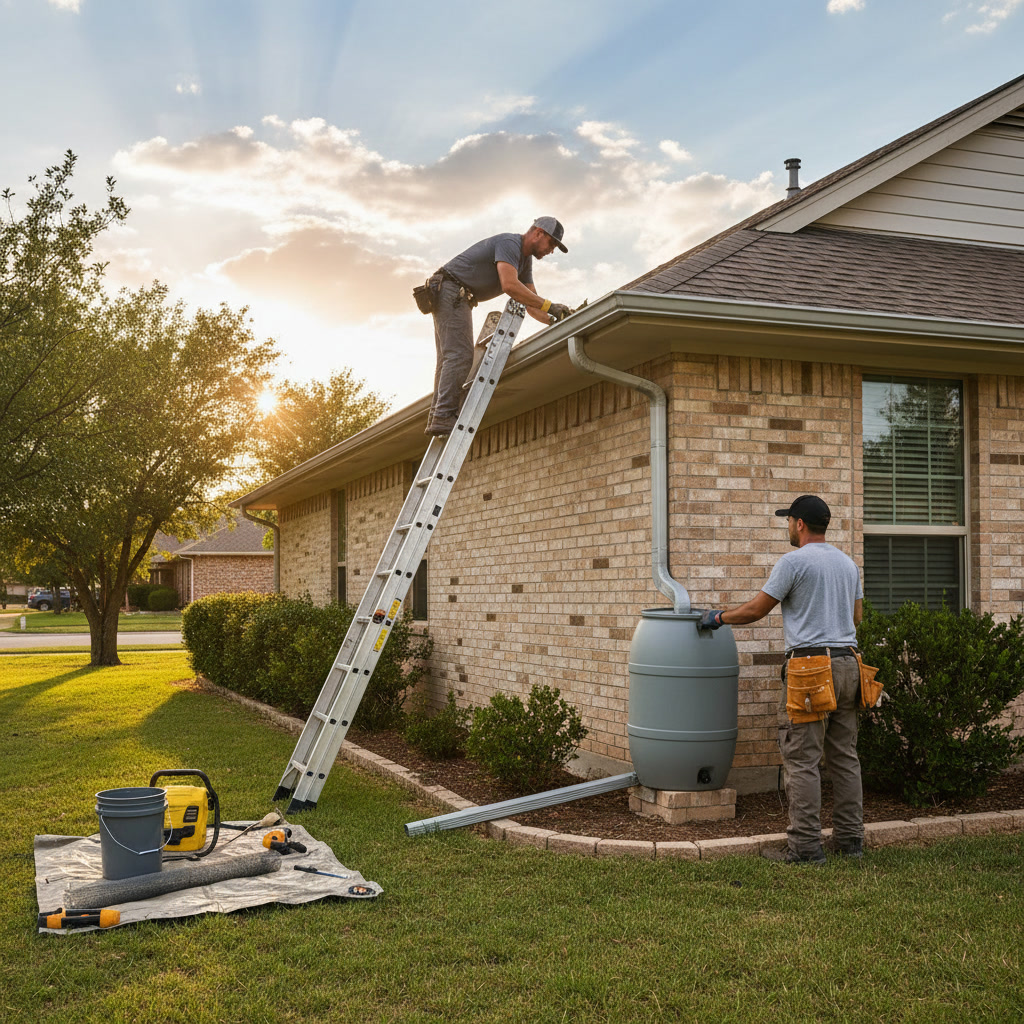
Failed gutters dump water next to your foundation, where it can seep into crawl spaces or basements. This excess moisture affects indoor humidity levels, forcing your air conditioner to work harder removing moisture from the air. Properly functioning gutters and downspouts channel water away from the foundation, maintaining manageable indoor humidity.
Cleaning gutters twice yearly prevents overflow and ice dam formation. Extending downspouts at least six feet from the foundation ensures water disperses safely. These simple repairs reduce the moisture load on your HVAC system while protecting foundation integrity.
Key Takeaway: Homes with chronic high humidity often have hidden moisture sources like failed gutters, crawl space vents, or plumbing leaks rather than undersized air conditioners. Address the moisture source before considering HVAC equipment replacement.
Outdoor Unit Protection and Clearance
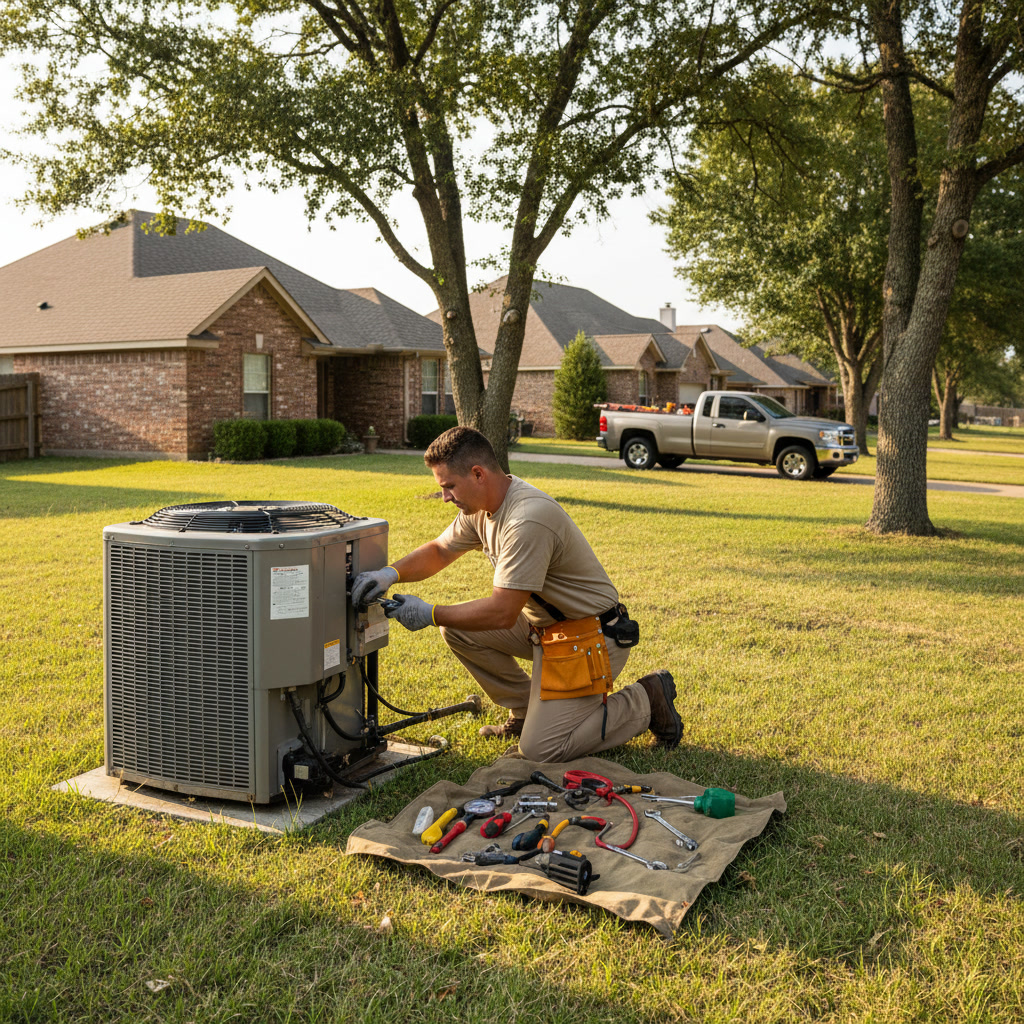
Your outdoor condenser or heat pump unit needs proper clearance and protection to function efficiently. Vegetation, debris, and structural issues around the outdoor unit increase operating temperatures and reduce airflow, both of which shorten equipment life.
Manufacturers typically recommend 24 inches of clearance on all sides of outdoor units for adequate airflow. Shrubs, grass, weeds, and stored items that encroach on this space restrict airflow across the condenser coils. The unit runs hotter and works harder to reject heat, stressing the compressor.
A handyman can install a small gravel or concrete pad that prevents vegetation growth immediately around the unit. This maintenance-free base keeps the area clear and level, preventing the unit tilt that sometimes occurs when ground settles unevenly.
Overhead protection from harsh sun or hail makes sense in West Texas, but it must allow free airflow. Poorly designed covers or shade structures that block the top or sides of the unit do more harm than good. If you want shade for your condenser, ensure any structure allows unrestricted upward airflow.
Fence panels, decorative screens, and AC cages installed too close to the unit create the same airflow restriction problems as vegetation. Maintain that 24-inch minimum clearance even when adding privacy features around outdoor equipment.
Electrical Issues That Affect HVAC Performance
Certain electrical problems fall within handyman expertise while others require licensed electricians. Understanding the difference helps you address issues appropriately without delay.
Loose electrical connections at the disconnect box near your outdoor unit cause arcing, heat buildup, and potential fire hazards. These connections can loosen from thermal cycling and vibration over years of operation. Checking and tightening these connections annually prevents failures.
Outdoor disconnect boxes that rust or fill with water compromise safety and equipment operation. Replacing a corroded disconnect box before it fails prevents emergency situations and potential damage to your HVAC equipment.
Some handyman repairs Tahoka professionals perform include replacing worn electrical outlet covers, fixing loose switch plates, and securing junction boxes. While these seem minor, loose covers in conditioned spaces allow air leakage that your HVAC system must compensate for.
For major electrical work like panel upgrades, new circuit installation, or repairs to the main service, always use a licensed electrician. HVAC systems draw significant power, and undersized or damaged circuits create safety hazards and equipment damage risks.
When to Call HVAC Specialists Instead
Handyman repairs address the structural, weatherization, and minor maintenance issues that affect HVAC performance. However, certain repairs require HVAC-specific training, tools, and licensing.
Refrigerant work of any kind requires EPA certification and specialized equipment. Never attempt to add refrigerant, repair refrigerant leaks, or disconnect refrigerant lines. These tasks fall exclusively to licensed HVAC technicians who follow proper environmental and safety protocols.
Gas line work, furnace burner adjustments, and heat exchanger repairs require specific licensing and expertise. Mistakes in these areas create carbon monoxide risks and explosion hazards. Always call qualified HVAC professionals for any gas-related service.
Compressor replacement, blower motor repairs, and control board diagnostics require HVAC technician knowledge and tools. While handymen excel at maintaining the home environment that supports HVAC longevity, equipment-specific repairs need specialist attention. Regular system tune-ups catch these issues before they become emergencies.
For homeowners in surrounding areas like Slaton and New Deal, the same principles apply. Structural maintenance and weatherization repairs extend HVAC life regardless of location, while equipment-specific work requires trained technicians.
Creating a Preventive Maintenance Schedule
The most effective approach combines regular handyman maintenance with professional HVAC service. This two-pronged strategy addresses both the home environment and the equipment itself.
Schedule handyman inspections twice yearly, ideally in spring and fall. These visits should cover weatherstripping inspection, caulk condition checks, gutter cleaning, ductwork examination, insulation assessment, and ventilation system testing. Addressing small issues during these inspections prevents larger problems.
Professional HVAC maintenance should occur before each major season, with air conditioning service in spring and heating system service in fall. Technicians test refrigerant levels, clean coils, check electrical connections, verify proper combustion, and calibrate controls. This specialized service complements the environmental improvements handymen provide.
Keep detailed records of both handyman and HVAC service. Documentation helps identify recurring issues, supports warranty claims, and provides valuable information if you sell your home. Many buyers appreciate thorough maintenance records that demonstrate proper system care.
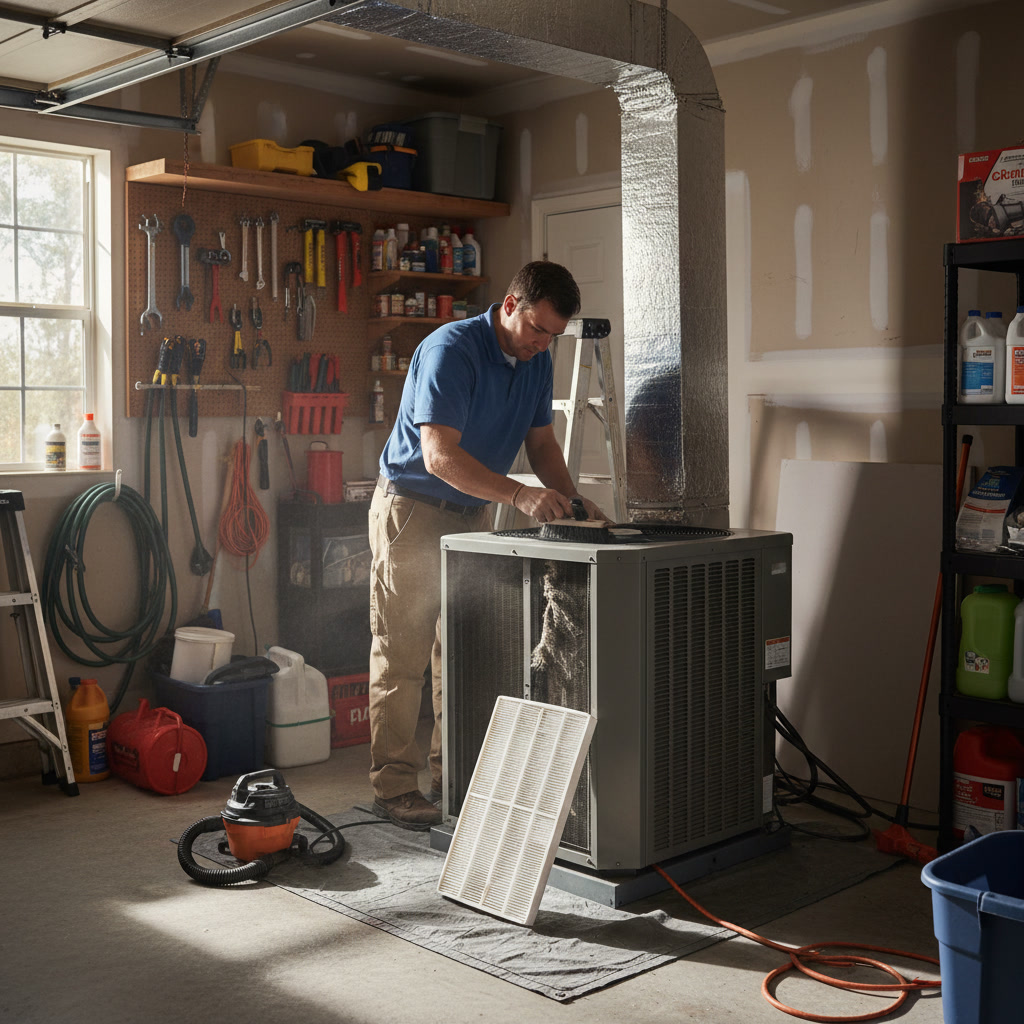
Between professional visits, homeowners should change air filters monthly during heavy use periods and every three months during mild weather. Clean filters reduce strain on blower motors and improve indoor air quality. This simple task costs little but significantly impacts system longevity.
Frequently Asked Questions
How much do handyman repairs typically cost compared to HVAC service calls?
Handyman services generally cost $75 to $150 per hour in the Tahoka area, with many repairs completed in one to three hours. Basic weatherstripping, caulking, and minor duct repairs usually total $200 to $500. HVAC service calls start around $100 for diagnosis, with repairs ranging from $150 for simple fixes to several thousand for major component replacement. Preventive handyman work often prevents the need for costly HVAC repairs.
Can I perform these handyman repairs myself to save money?
Homeowners with basic tools and skills can handle many tasks like weatherstripping replacement, caulking, gutter cleaning, and filter changes. However, work in attics, on roofs, or involving ductwork in tight spaces often justifies professional help for safety and quality reasons. A handyman completes these jobs faster with better results, and the time you save may offset the service cost.
How often should ductwork be inspected for leaks and damage?
Professional duct inspection every three to five years catches developing problems before they waste significant energy or damage HVAC equipment. If you notice uneven temperatures between rooms, excessive dust, or higher utility bills without explanation, schedule an inspection sooner. Homes with accessible ductwork can benefit from visual inspections during routine handyman visits.
What are the signs that handyman repairs alone won’t solve my HVAC problems?
If your system struggles to maintain temperature even after addressing air leaks, ductwork, and insulation, the equipment itself likely needs attention. Strange noises, frequent cycling, weak airflow from vents, and age over 12 years suggest equipment issues requiring HVAC technician diagnosis. Combining handyman repairs with professional HVAC service provides the most comprehensive solution.
Do these repairs really extend HVAC lifespan enough to justify the cost?
Studies consistently show that well-maintained HVAC systems in properly sealed, insulated homes last 30 to 50 percent longer than neglected systems in poorly maintained homes. When a typical system costs $5,000 to $8,000 to replace, adding even two to three years of service life through $500 to $1,000 in preventive handyman repairs delivers excellent return on investment. The energy savings from improved efficiency provide additional ongoing value.
Protect Your HVAC Investment With Professional Handyman Service
The connection between home maintenance and HVAC longevity becomes clear when you understand how your heating and cooling equipment responds to environmental conditions. Leaky ducts, poor insulation, air infiltration, and moisture problems force your system to work harder and fail sooner. Strategic handyman repairs Tahoka homeowners invest in today prevent expensive equipment replacement tomorrow.
Whether you need ductwork sealed, weatherstripping replaced, ventilation improved, or drainage issues corrected, addressing these problems extends your HVAC system’s service life while improving comfort and efficiency. The relatively modest cost of preventive handyman work delivers substantial long-term value compared to premature equipment failure.
Spectrum Heating & Air LLC serves Tahoka and surrounding West Texas communities with both professional handyman services and complete HVAC care. Owner Israel Garcia and his team understand how home systems work together and can identify issues that impact your heating and cooling equipment. Call +18062412335 to schedule a comprehensive home assessment that protects your HVAC investment for years to come.